
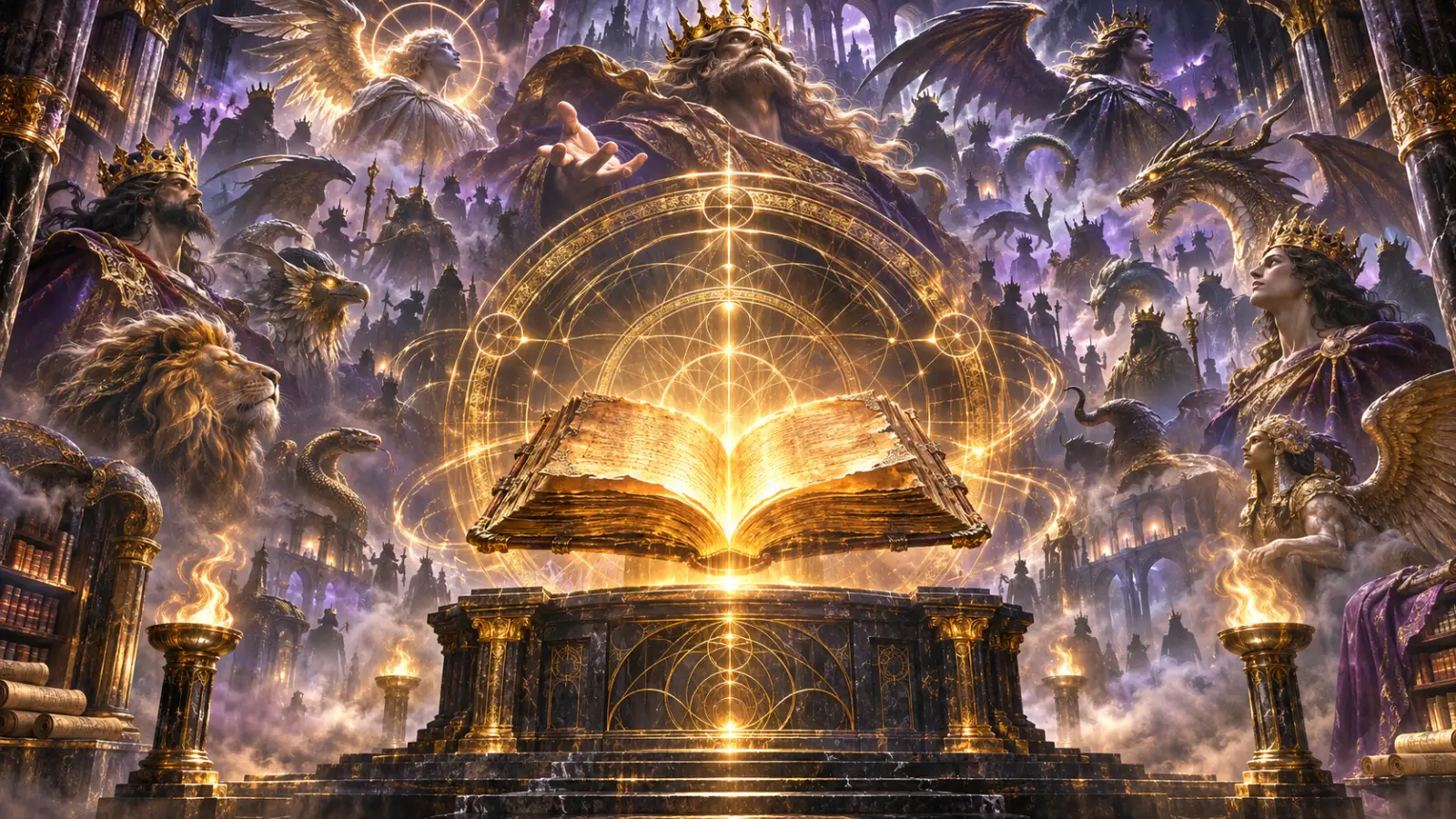
The 72 spirits of the Lesser Key of Solomon: ranks, appearances and powers as the manuscripts record them, told with historical rigor.
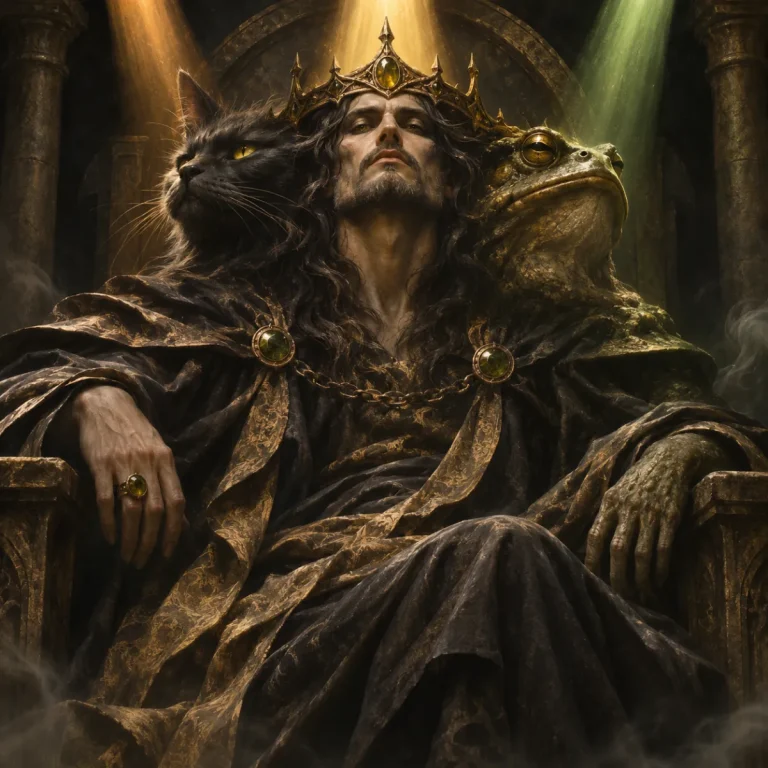 No. 1BaelEastern king who appears as a cat, a toad or a man, speaks hoarsely and makes men invisible
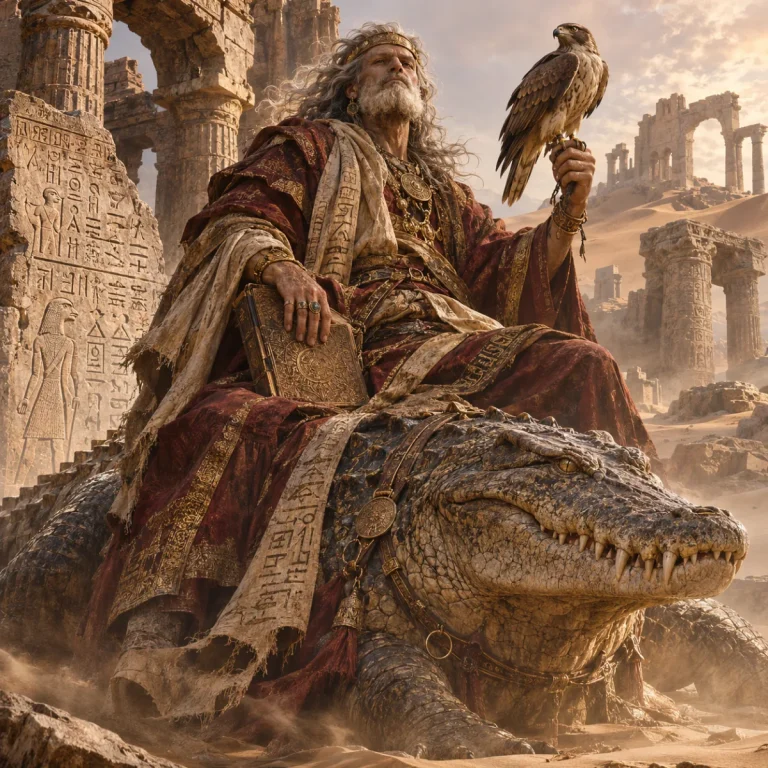 No. 2AgaresEastern duke: an old man riding a crocodile, goshawk on his fist, who teaches all languages
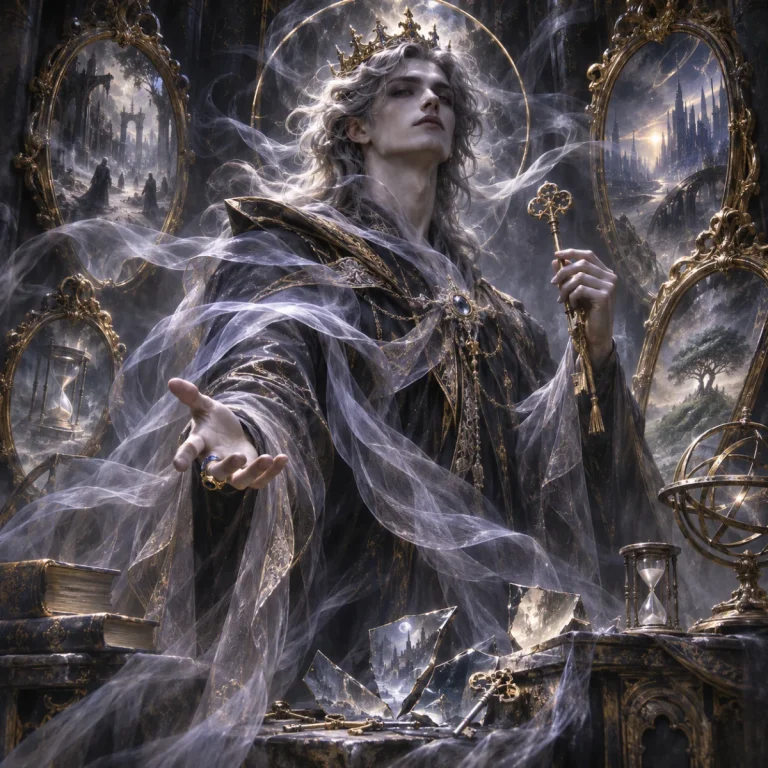 No. 3VassagoGood-natured prince with no described form who reveals past, future and all things hidden or lost
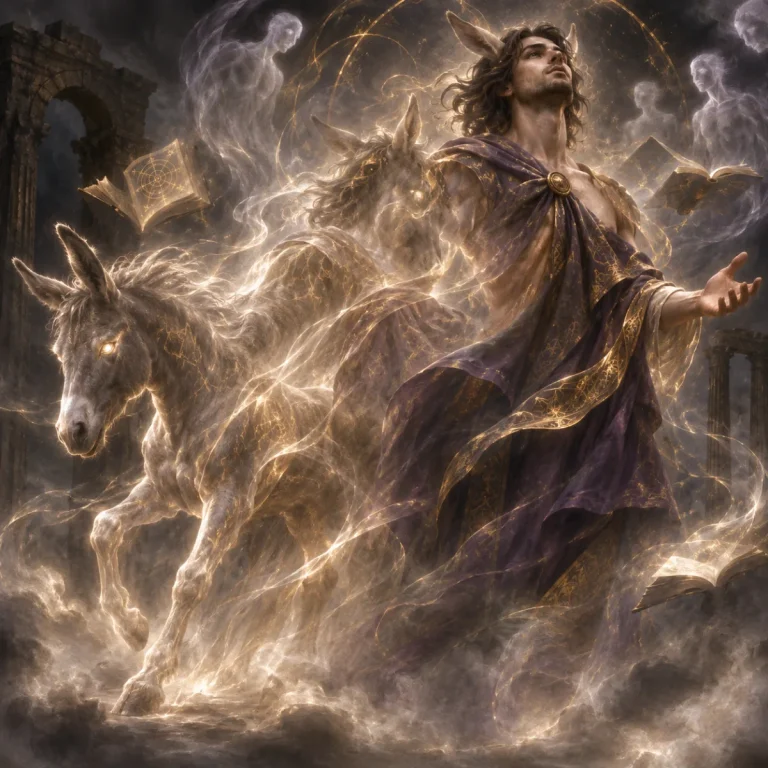 No. 4SamiginaMarquis in the form of a little horse or donkey who teaches the liberal arts and gives news of souls
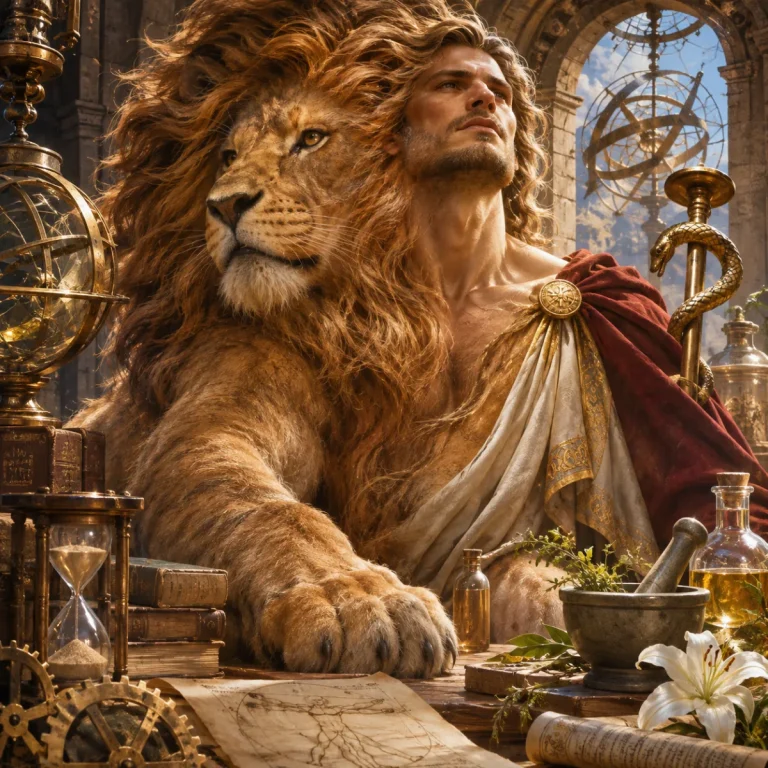 No. 5MarbasLion-shaped president who reveals secrets, causes and cures diseases and teaches mechanical arts
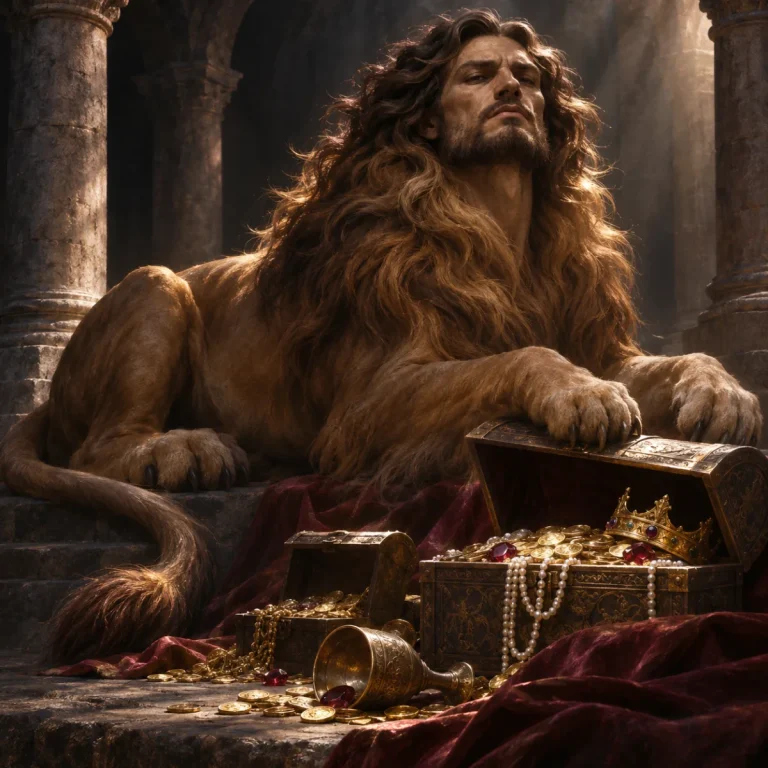 No. 6ValefarDuke shaped like a lion with a scowling man’s head, a good familiar who tempts his companions to steal
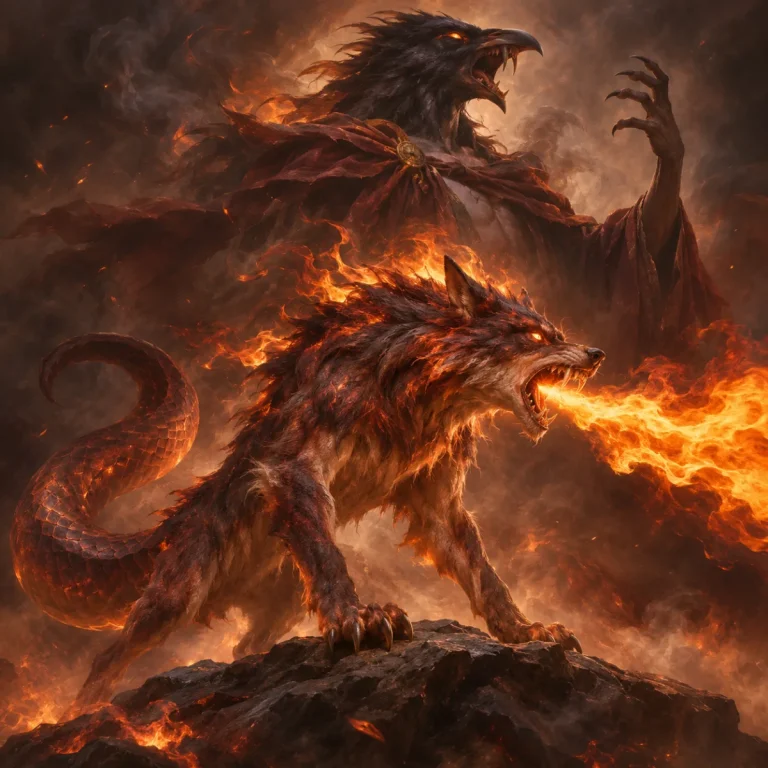 No. 7AmonMarquis who appears as a fire-vomiting wolf with a serpent’s tail, then as a man with a bird’s head
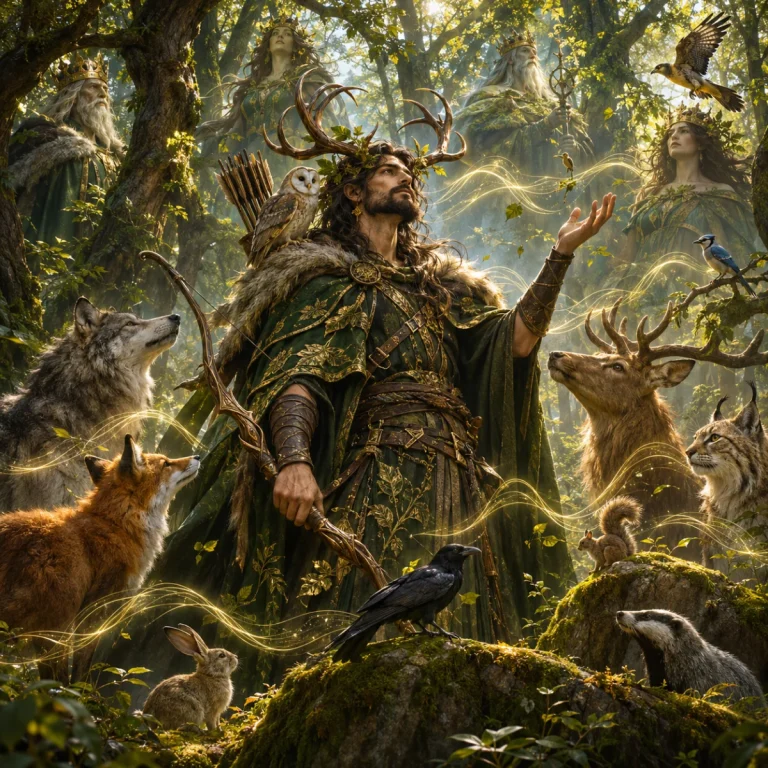 No. 8BarbatosDuke who understands birdsong and animal voices and opens treasures hidden by enchantment
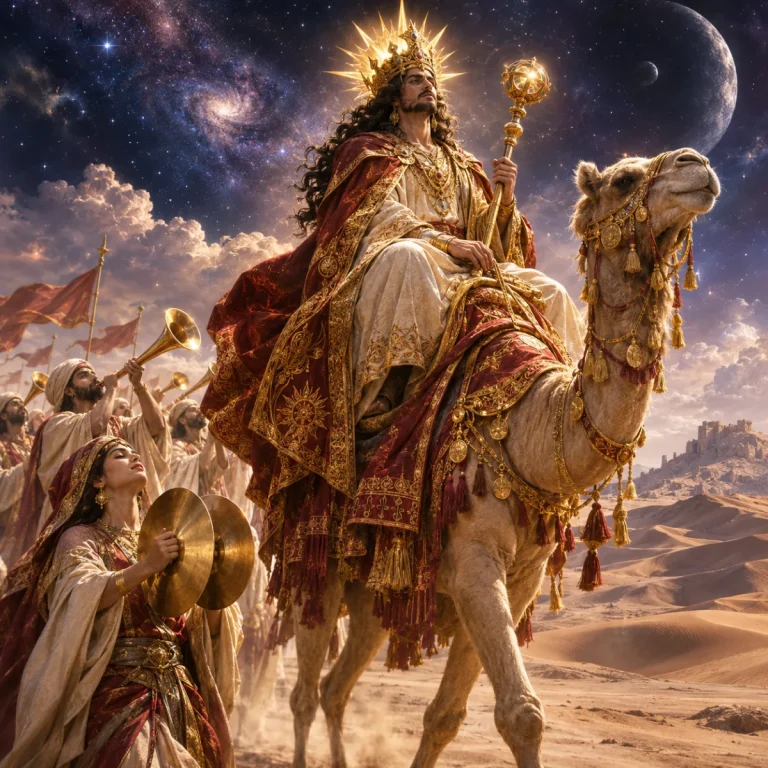 No. 9PaimonCrowned king who arrives on a dromedary led by musicians and teaches all arts, sciences and secrets
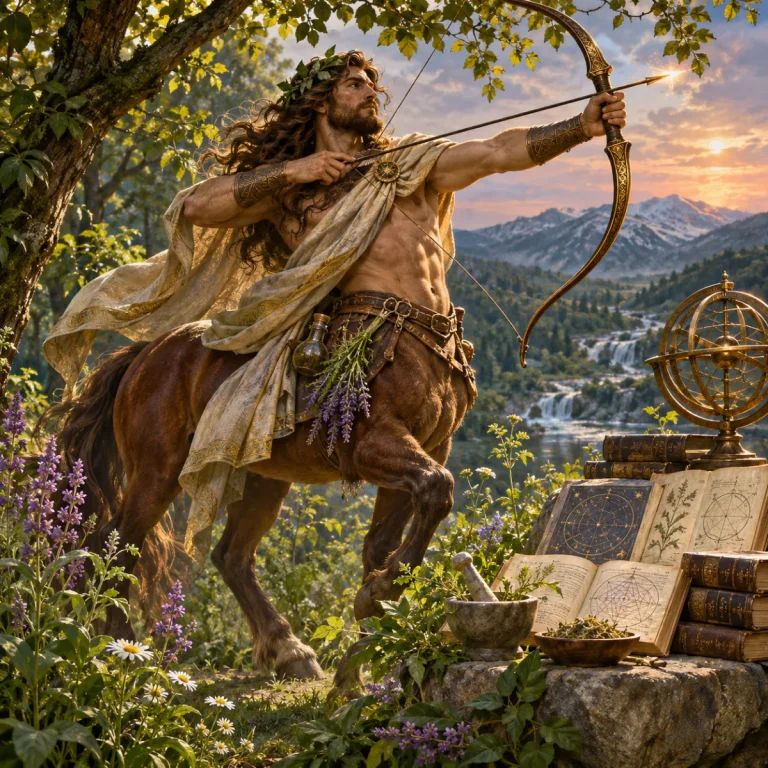 No. 10BuerPresident who teaches moral and natural philosophy, logic and the virtues of herbs, and heals ailments
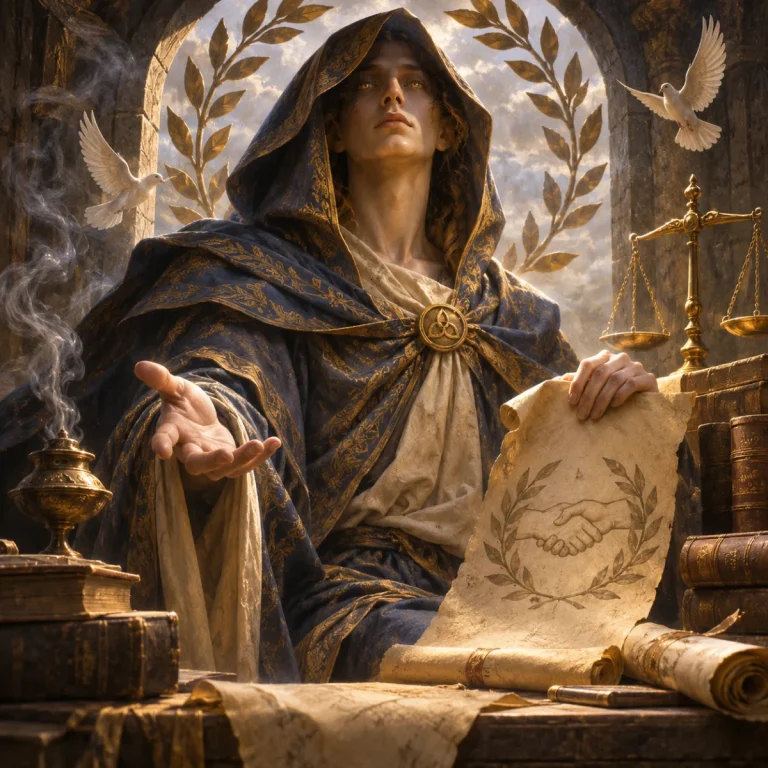 No. 11GusionDuke of uncertain shape (a “Xenophilus”) who answers every question, reconciles friends and grants honors
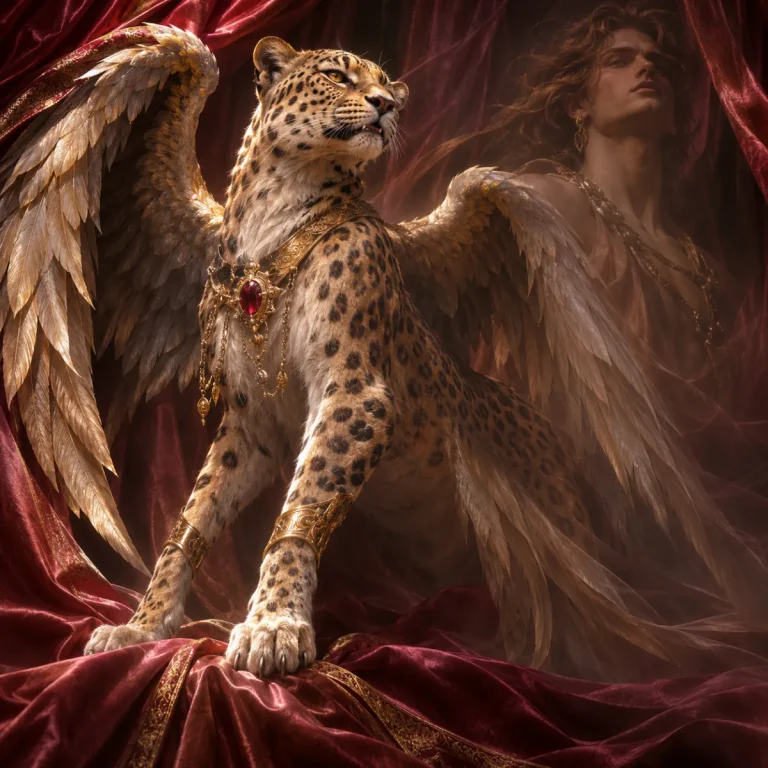 No. 12SitriPrince with a leopard’s face and griffin’s wings who, in a beautiful human form, kindles love and desire
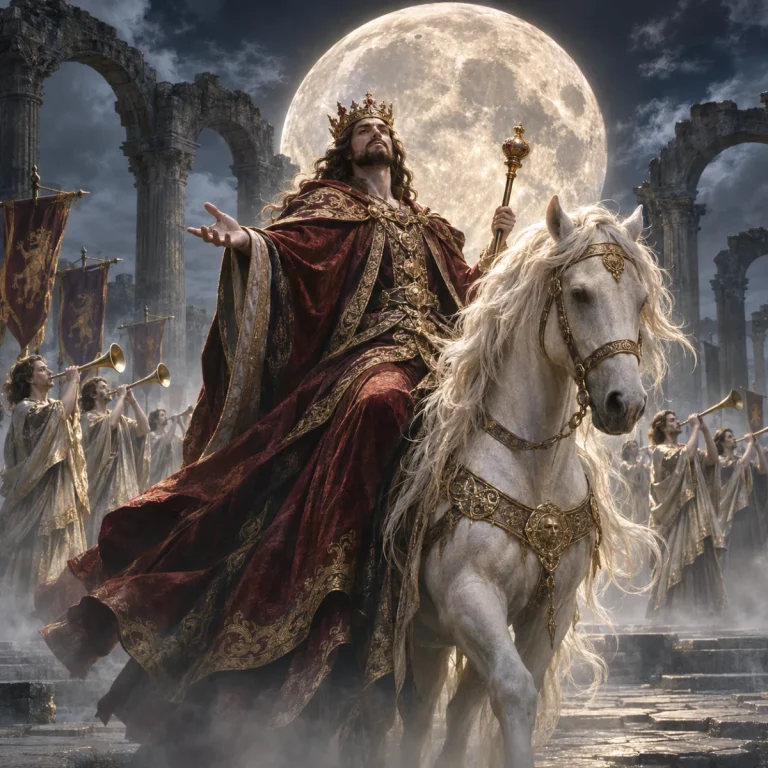 No. 13BelethTerrible king who arrives furious on a pale horse heralded by trumpets and causes all the love possible
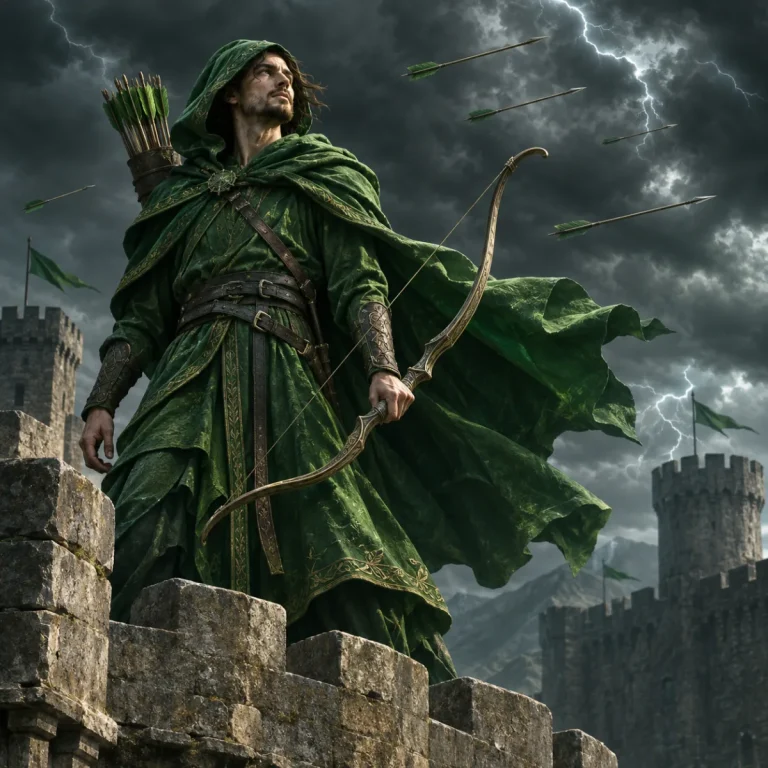 No. 14LerajeMarquis in the form of an archer dressed in green who stirs up battles and makes arrow wounds fester
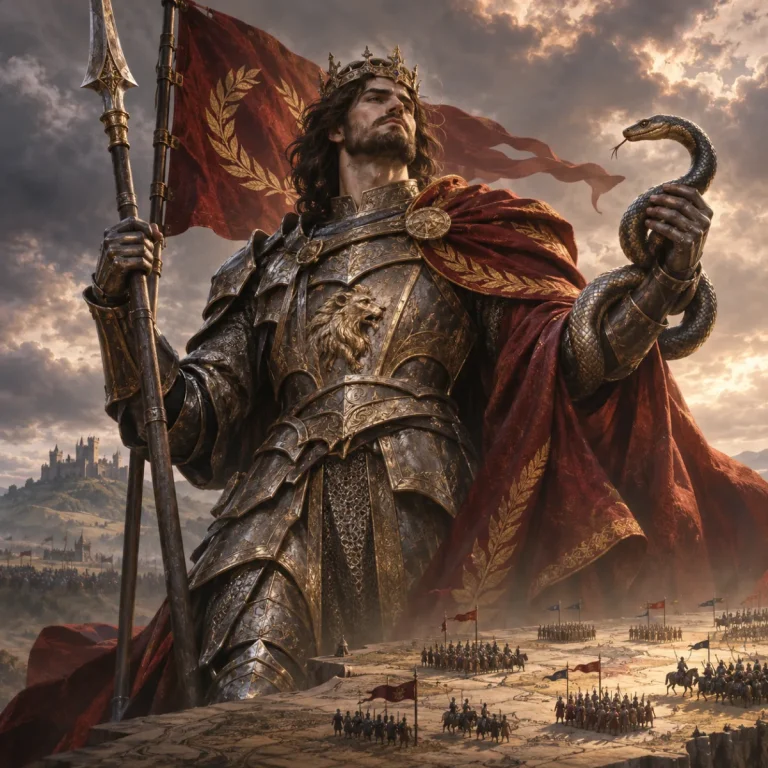 No. 15EligosDuke in the form of a knight with lance, banner and serpent who knows wars and things to come
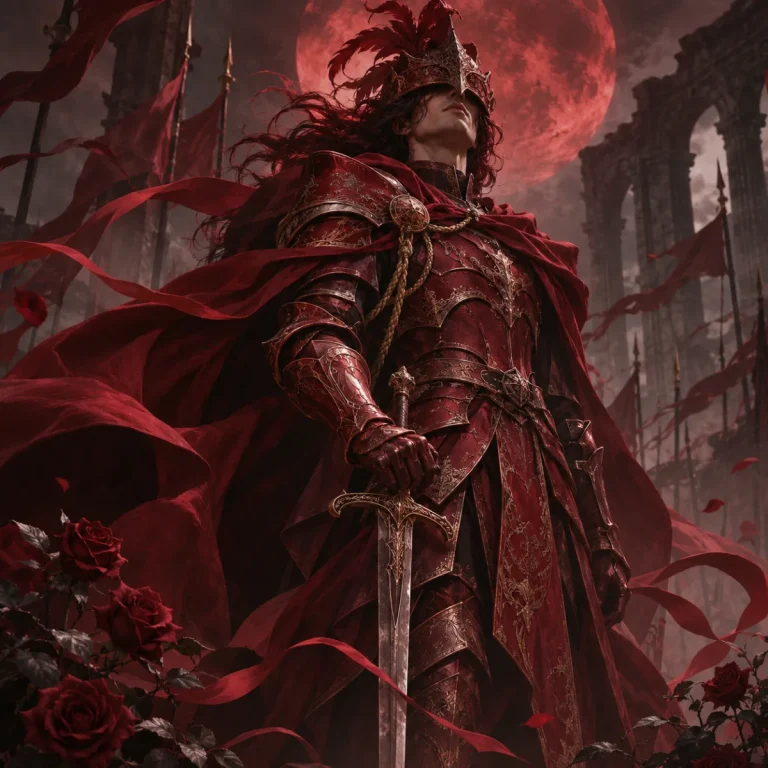 No. 16ZeparRed-clad Duke armed like a soldier who makes women love men and also makes them barren
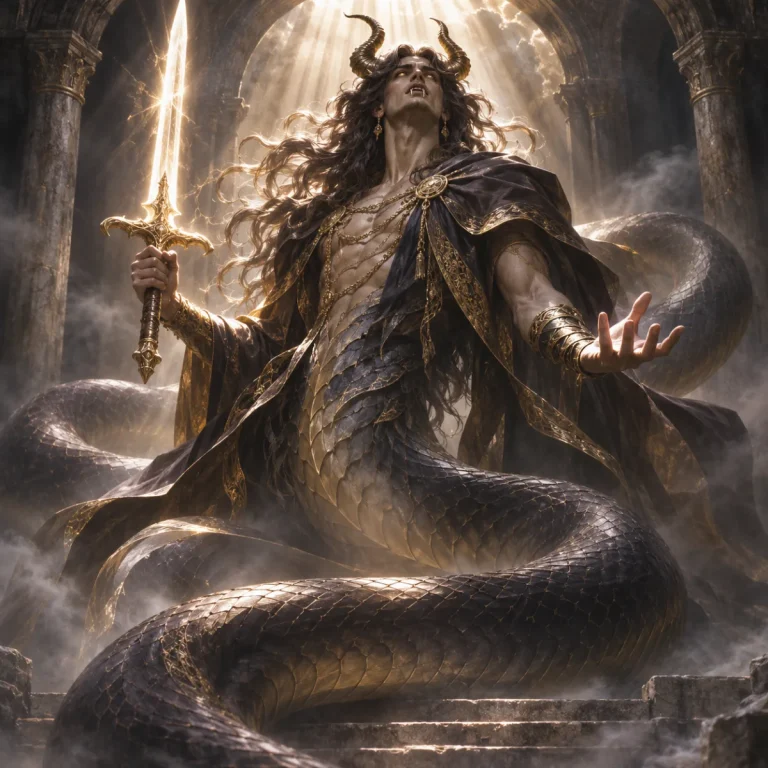 No. 17BotisPresident and Earl who appears as a viper, then a horned man; tells past and future and reconciles foes
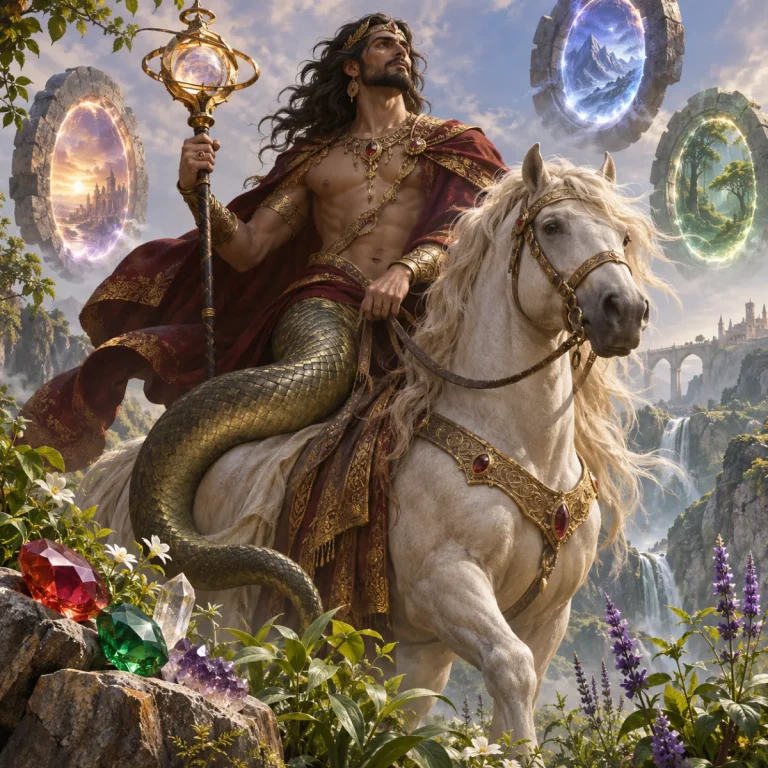 No. 18BathinDuke with a serpent’s tail on a pale horse; knows herbs and stones and carries men from country to country
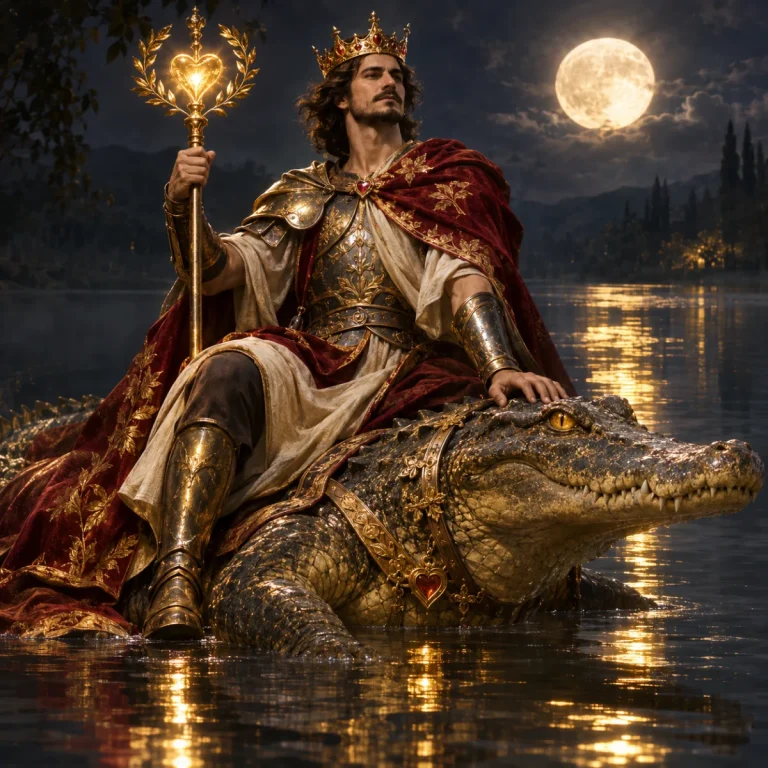 No. 19SallosGallant soldier-Duke who rides a crocodile and “peaceably” causes love between women and men
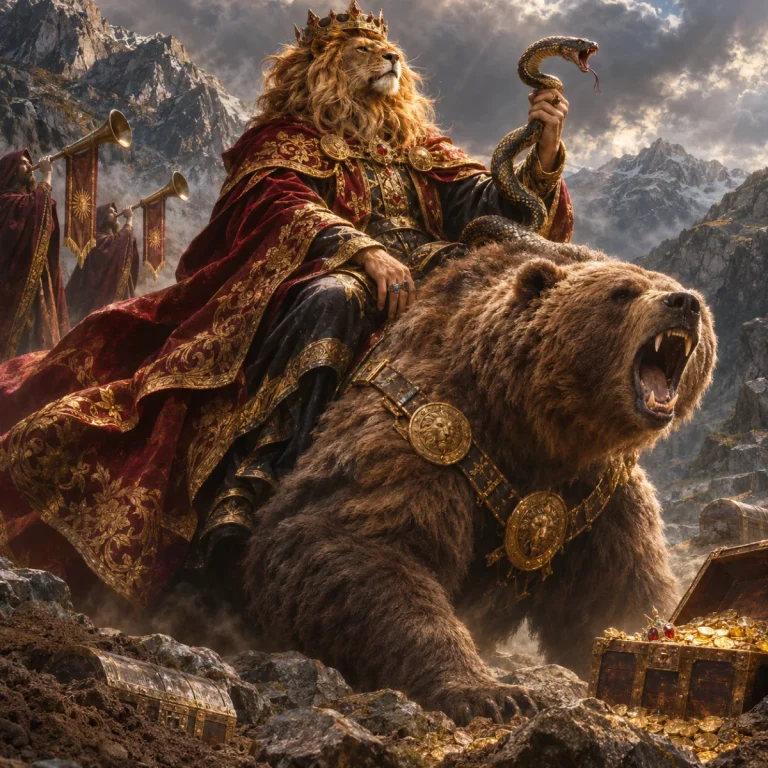 No. 20PursonLion-faced King riding a bear to trumpets; finds treasure and speaks of the creation of the world
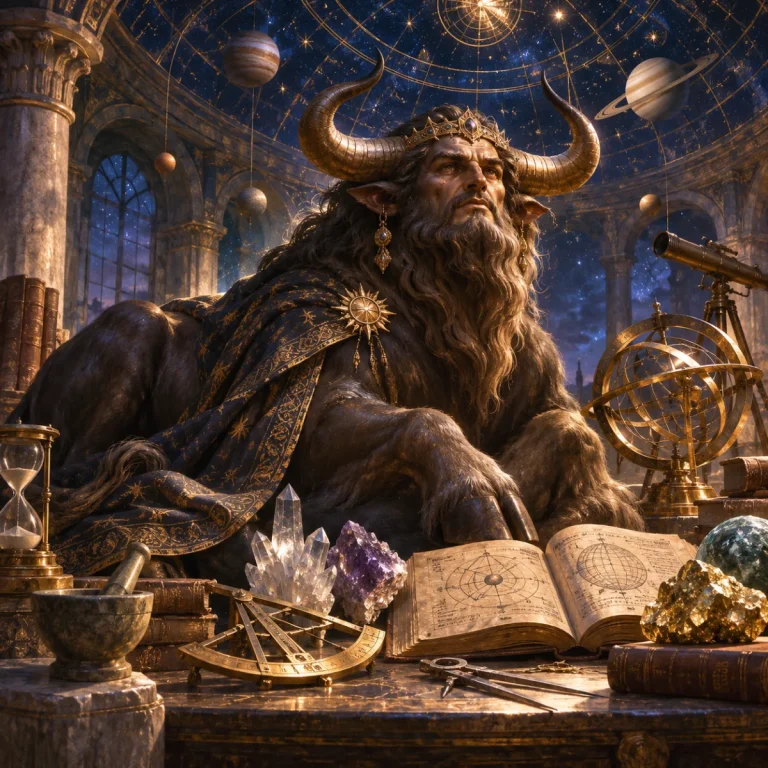 No. 21MaraxEarl and President shaped like a bull with a man’s face who teaches astronomy and the liberal arts
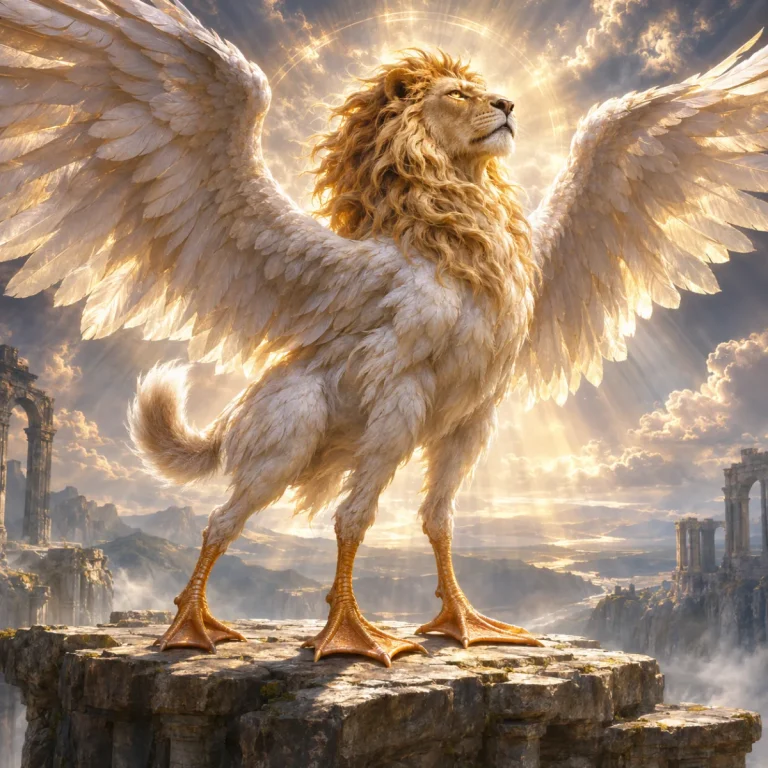 No. 22IposEarl and Prince in angel form with a lion’s head, goose feet and a hare’s tail; makes men witty and bold
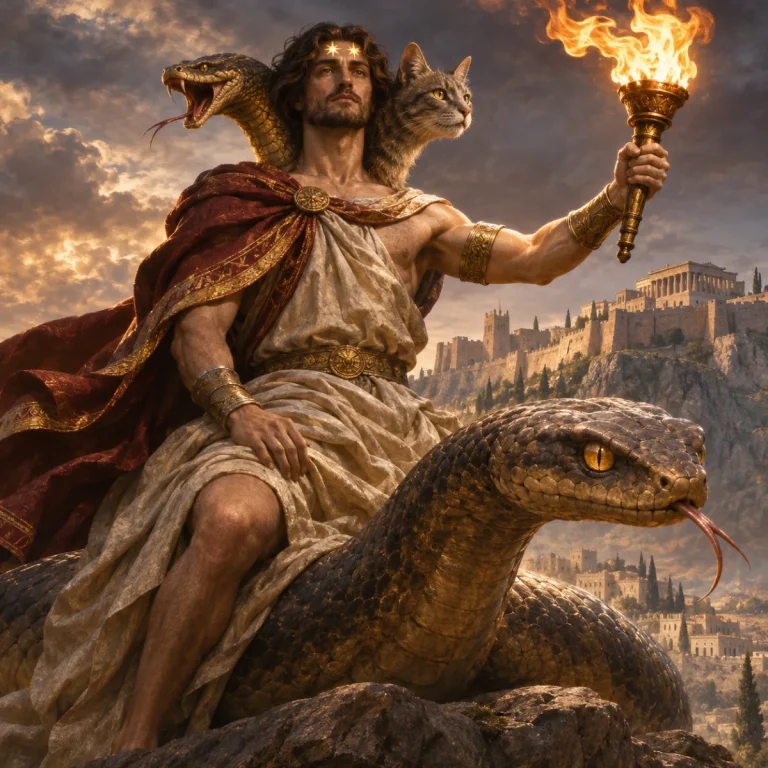 No. 23AimThree-headed Duke (serpent, man with two stars, cat) who rides a viper and sets cities on fire
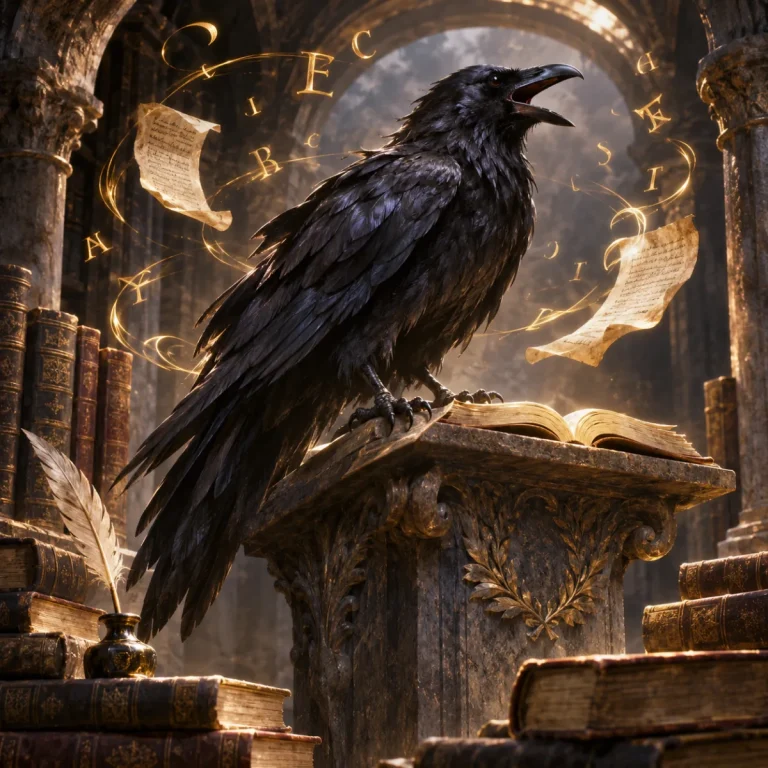 No. 24NaberiusMarquis in the form of a hoarse-voiced black crow who teaches rhetoric and restores lost honors
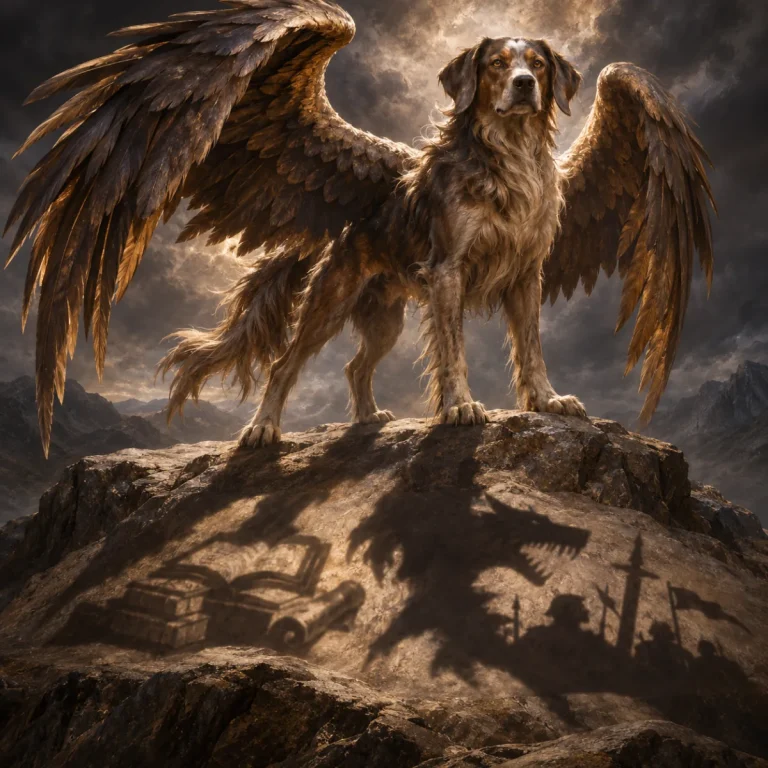 No. 25Glasya-LabolasPresident shaped like a dog with griffin’s wings who teaches all arts instantly and causes bloodshed
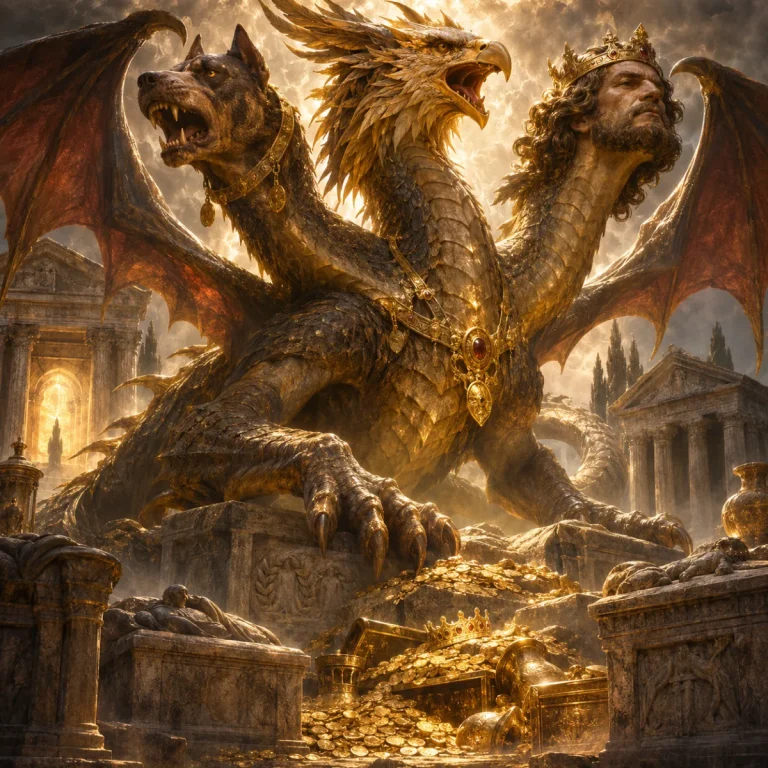 No. 26BuneDuke shaped like a three-headed dragon who moves the dead and grants riches and eloquence
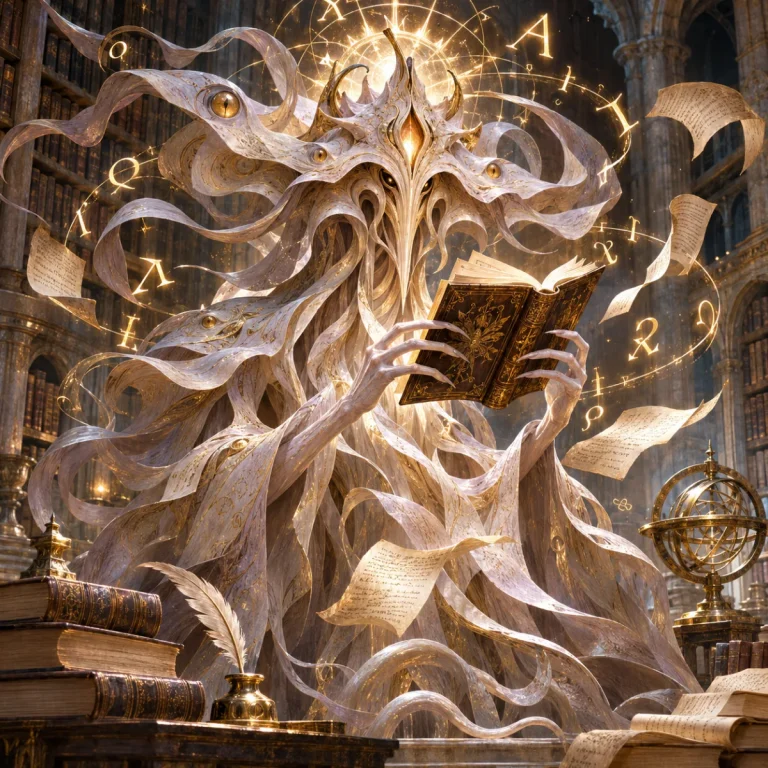 No. 27RonoveMarquis and Earl in the form of a monster who teaches rhetoric and tongues and wins the favor of friends and foes
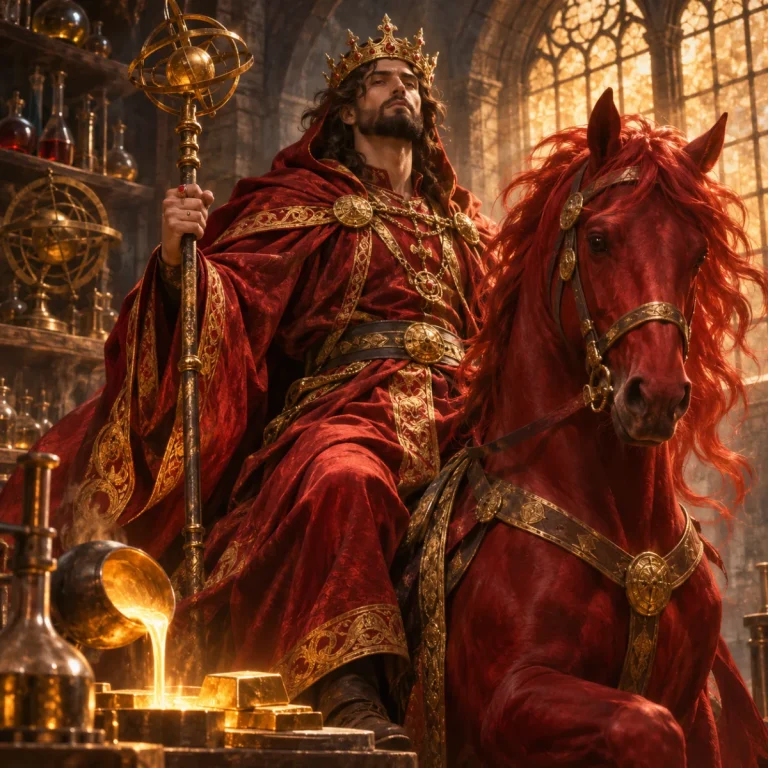 No. 28BerithRed-clad Duke on a red horse who turns metals into gold and is “a great Lyer”
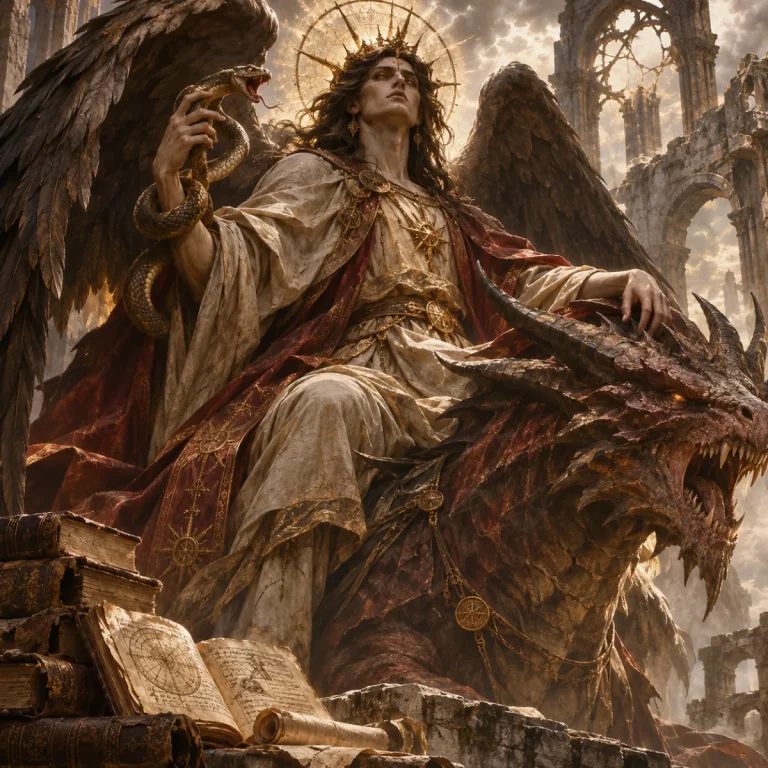 No. 29AstarothDuke in the form of an ugly angel on an infernal dragon who reveals secrets and tells how the angels fell
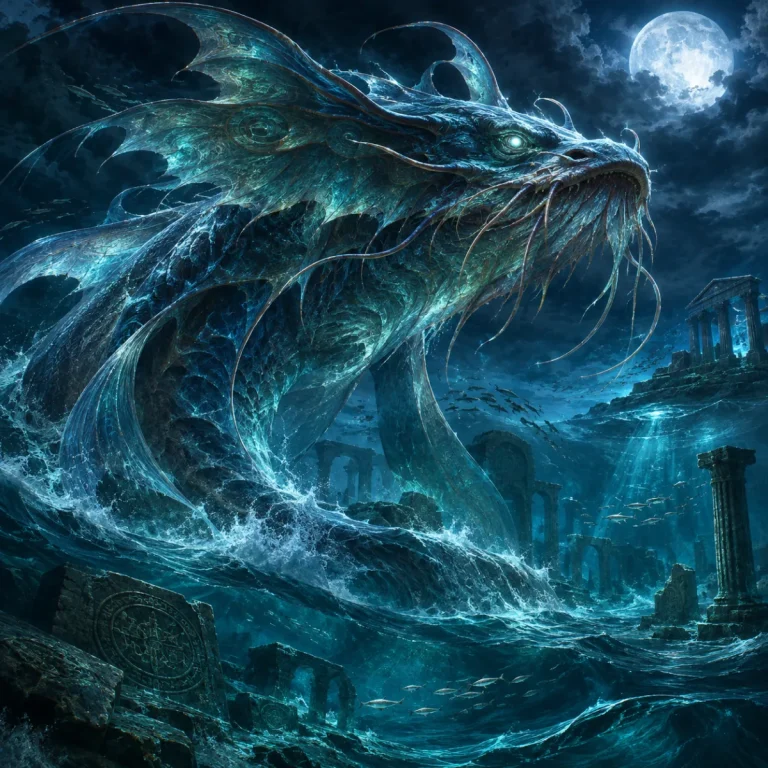 No. 30ForneusMarquis in the form of a great sea monster who teaches rhetoric and tongues and makes men loved even by their foes
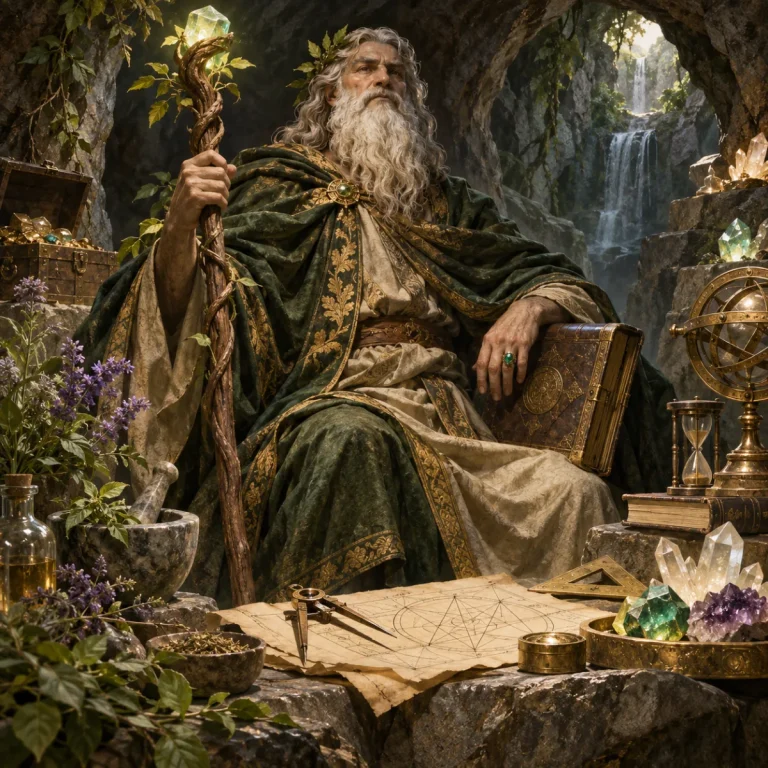 No. 31ForasPresident in the form of a strong man who teaches logic, ethics and the virtues of herbs and precious stones
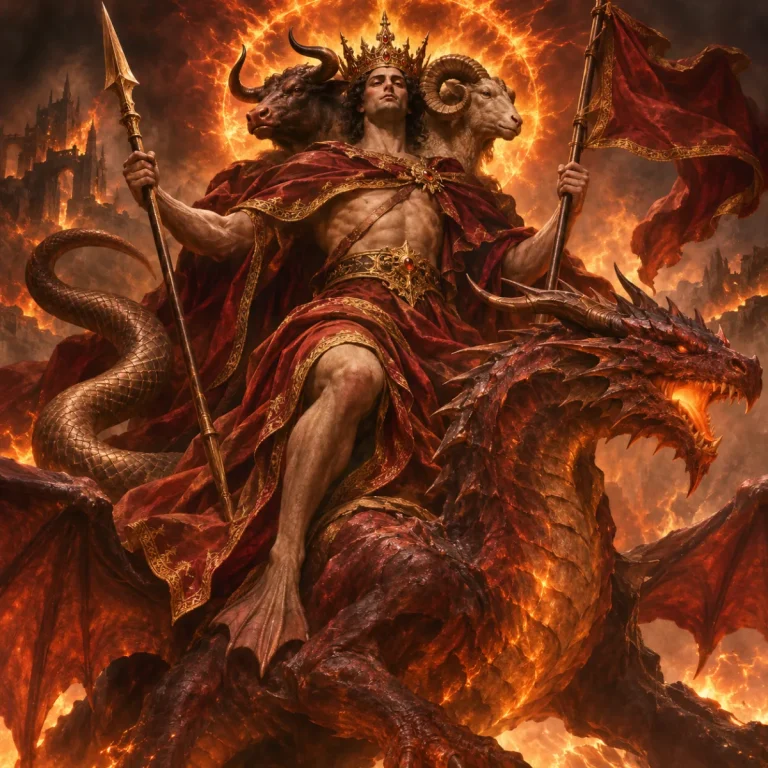 No. 32AsmodayThree-headed King (bull, man, ram) on a dragon who gives the Ring of Virtues and teaches arithmetic and geometry
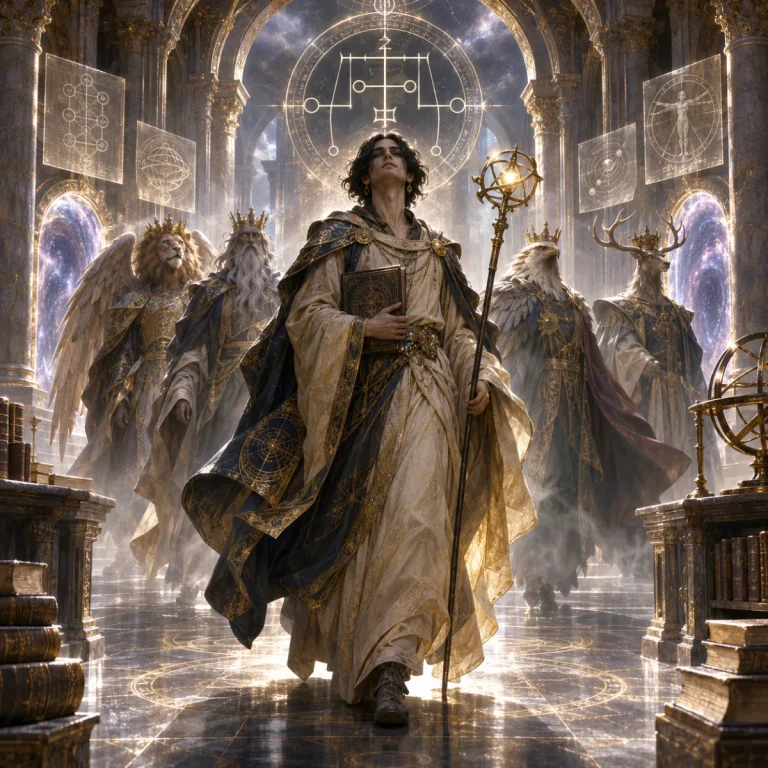 No. 33GaapPresident and Prince in human form who walks before four kings and teaches philosophy and the liberal arts
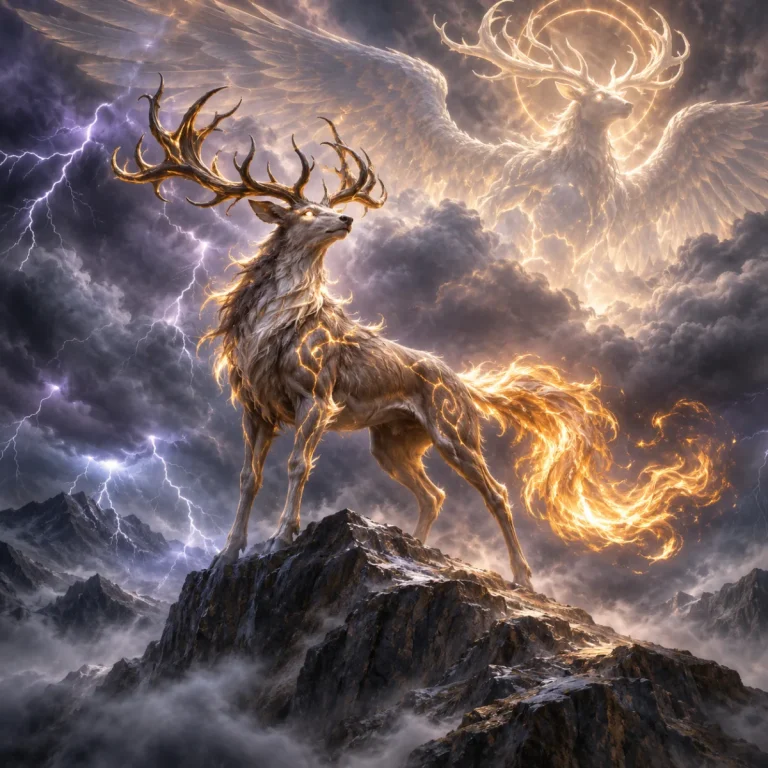 No. 34FurfurEarl in the form of a hart with a fiery tail who raises storms and tells the truth only inside the triangle
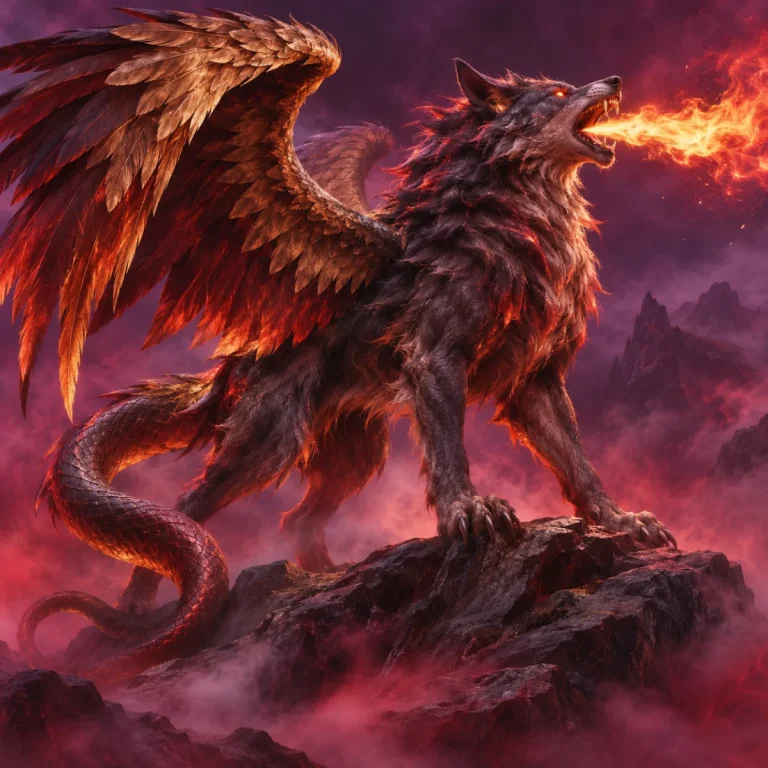 No. 35MarchosiasMarquis in the form of a winged wolf with a serpent’s tail, a loyal fighter who hopes to return to the seventh Throne
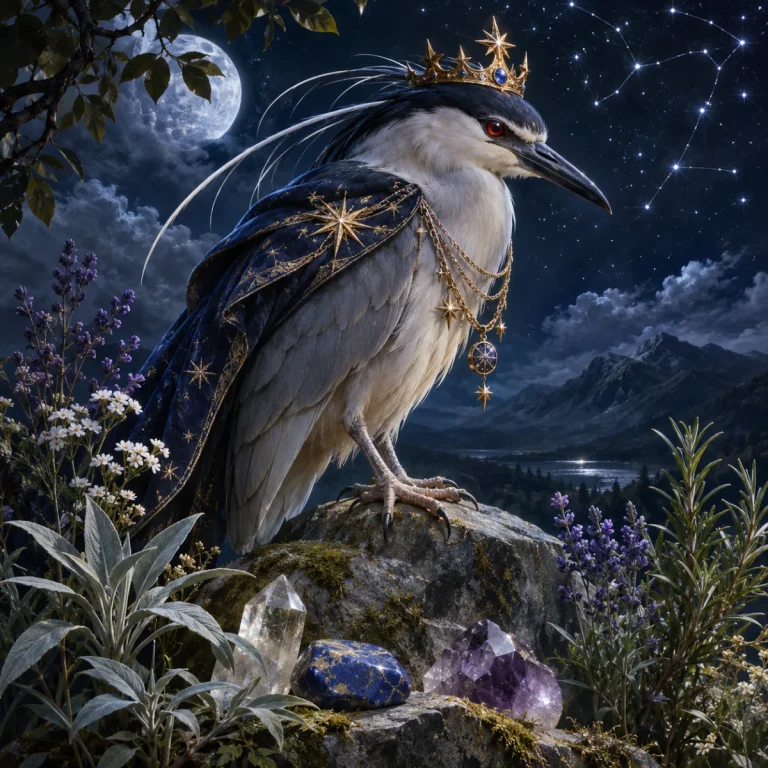 No. 36StolasPrince in the form of a night bird who teaches astronomy and the virtues of herbs and precious stones
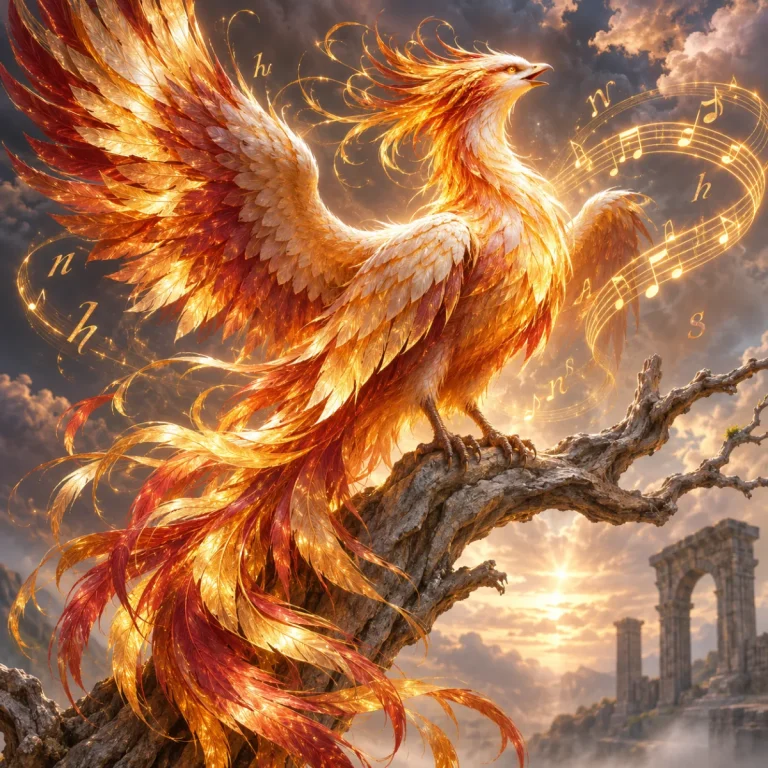 No. 37PhenexMarquis in the form of a phoenix with a child’s voice, an excellent poet whose sweet song must not be heeded
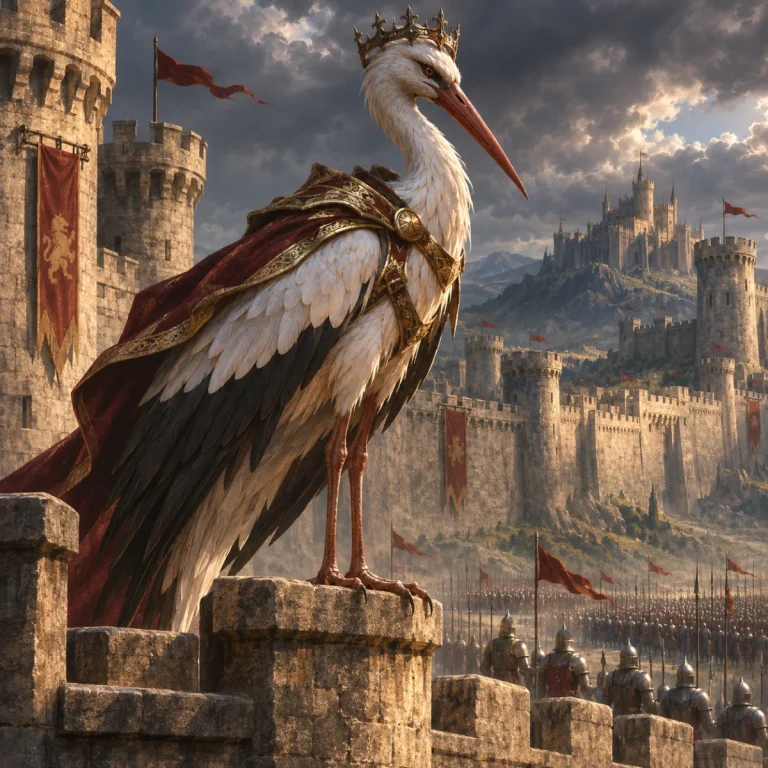 No. 38HalphasEarl in the form of a hoarse-voiced stork who builds armed towns and sends men of war where appointed
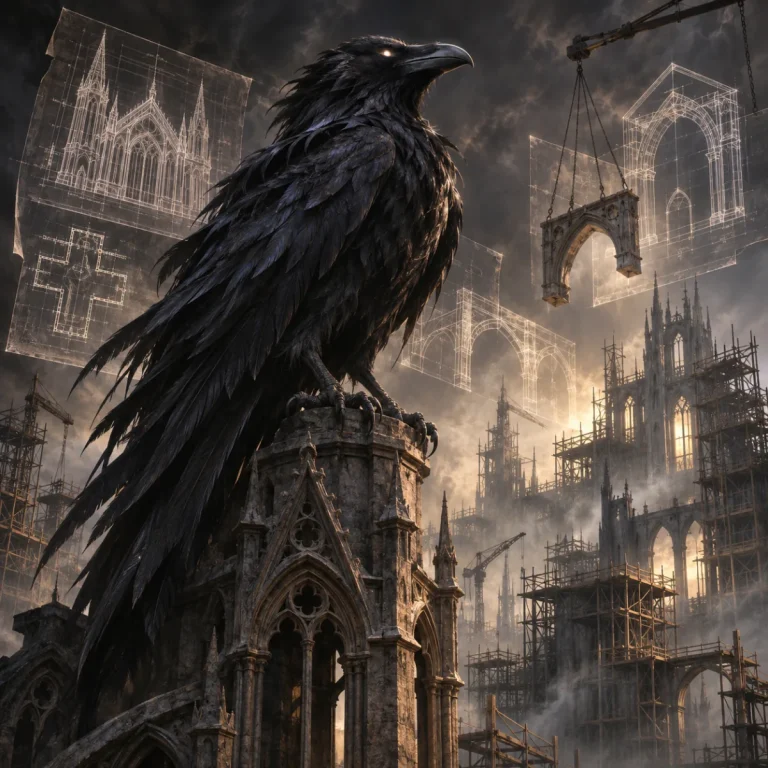 No. 39MalphasPresident in the form of a raven who builds houses and towers, gathers craftsmen and deceives those who sacrifice to him
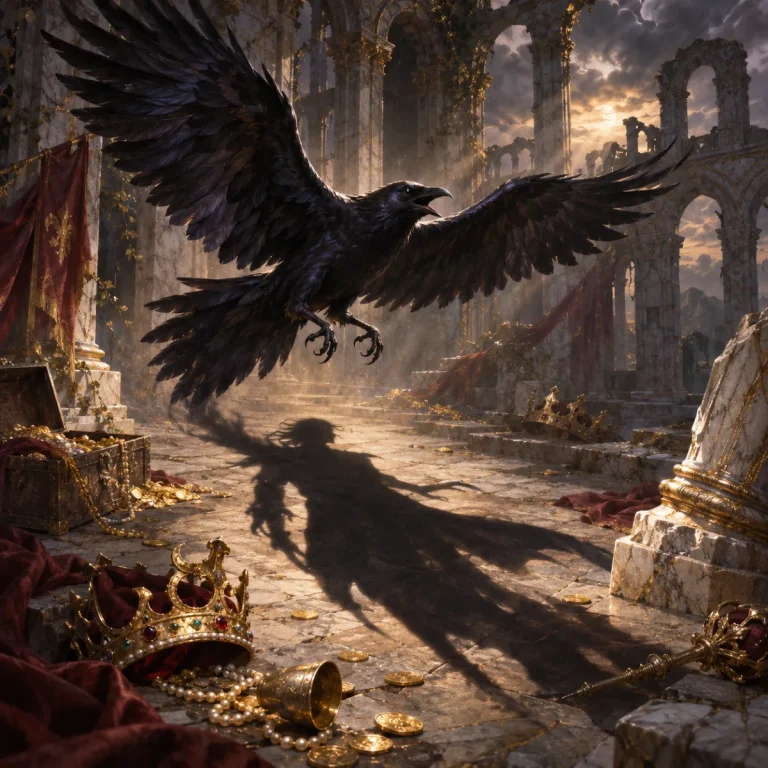 No. 40RaumEarl in the form of a raven who steals royal treasure, destroys cities and dignities, and reconciles friends and foes
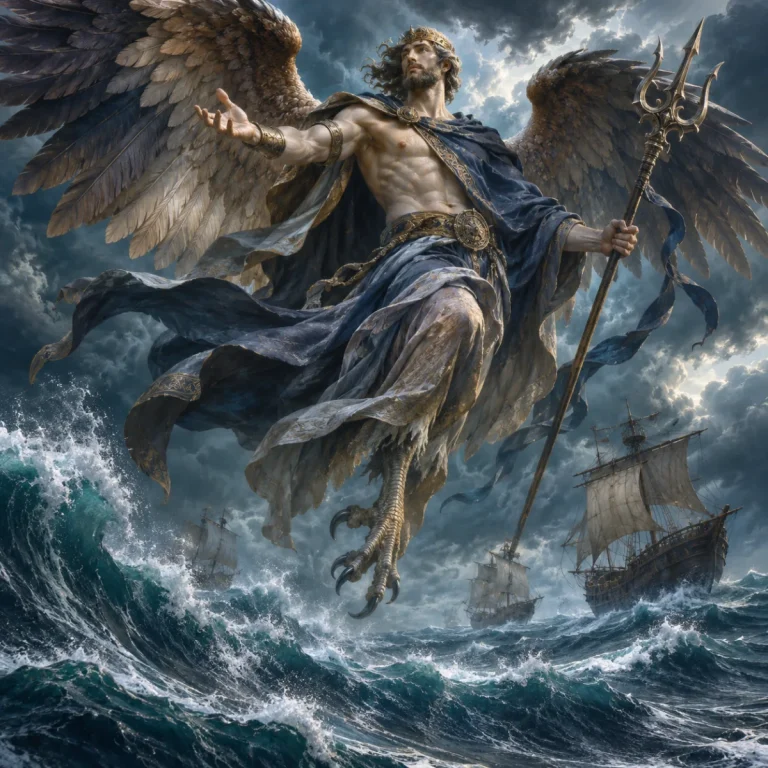 No. 41FocalorDuke in the form of a man with griffin’s wings who rules winds and seas and overturns warships
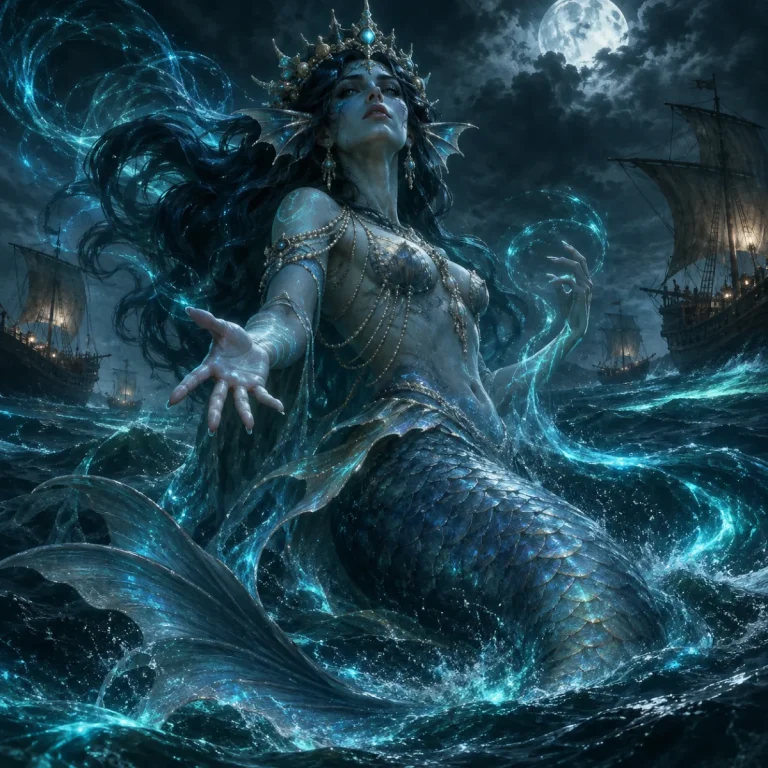 No. 42VeparDuke in the form of a mermaid who guides waters and armed ships, stirs up the sea and inflicts worm-ridden wounds
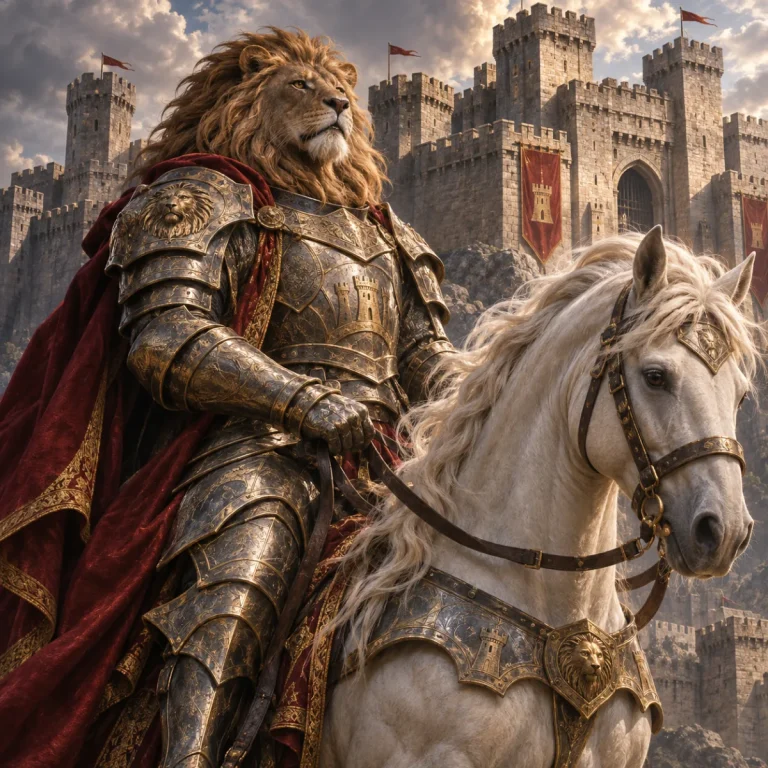 No. 43SabnockMarquis in the form of an armed, lion-headed soldier on a pale horse who builds towers, castles and cities
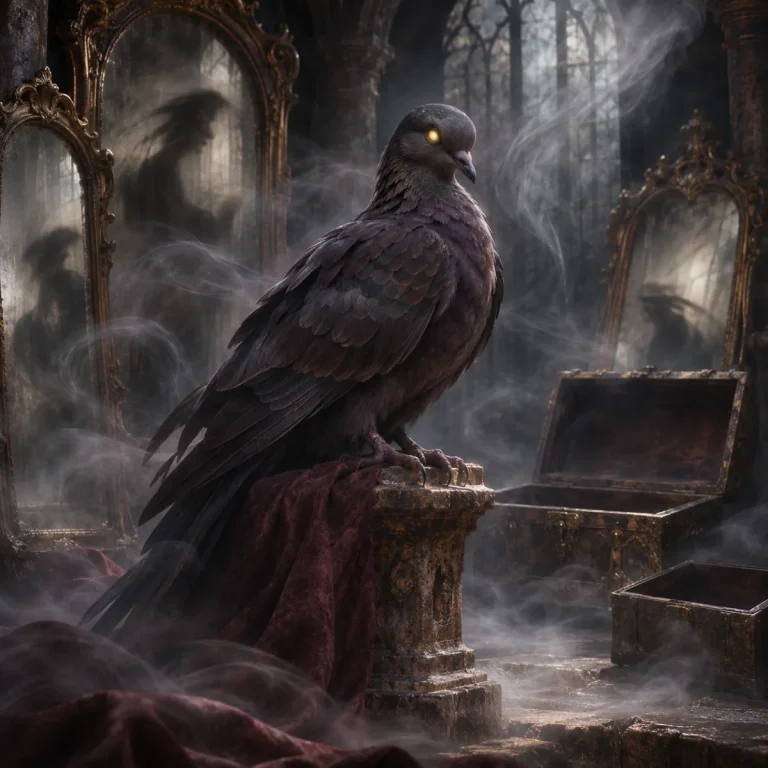 No. 44ShaxMarquis in the form of a hoarse-voiced bird who takes away sight, hearing and understanding and lies outside the triangle
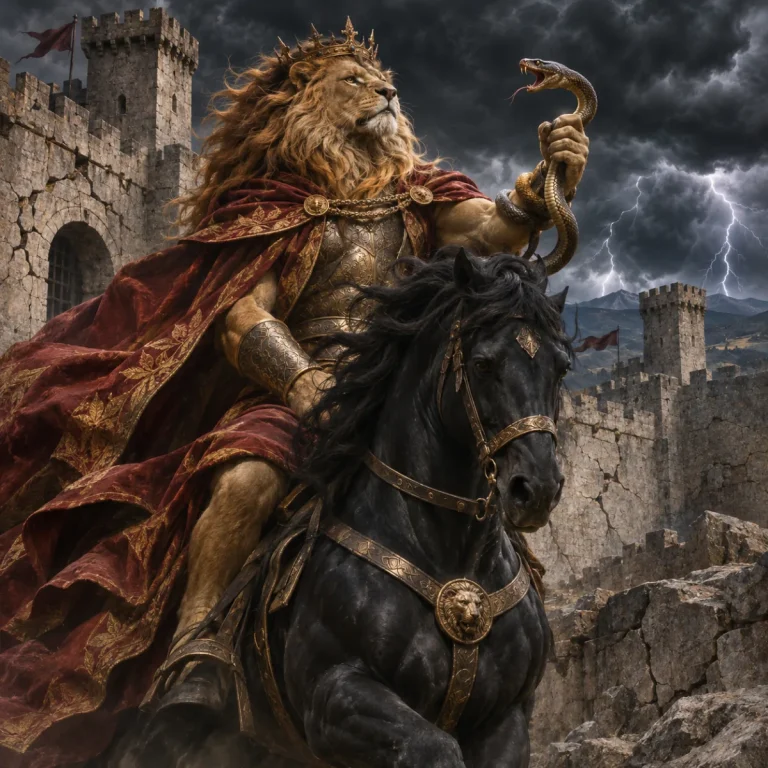 No. 45VineKing and Earl in lion form on a black horse, viper in hand, who uncovers hidden things and witches
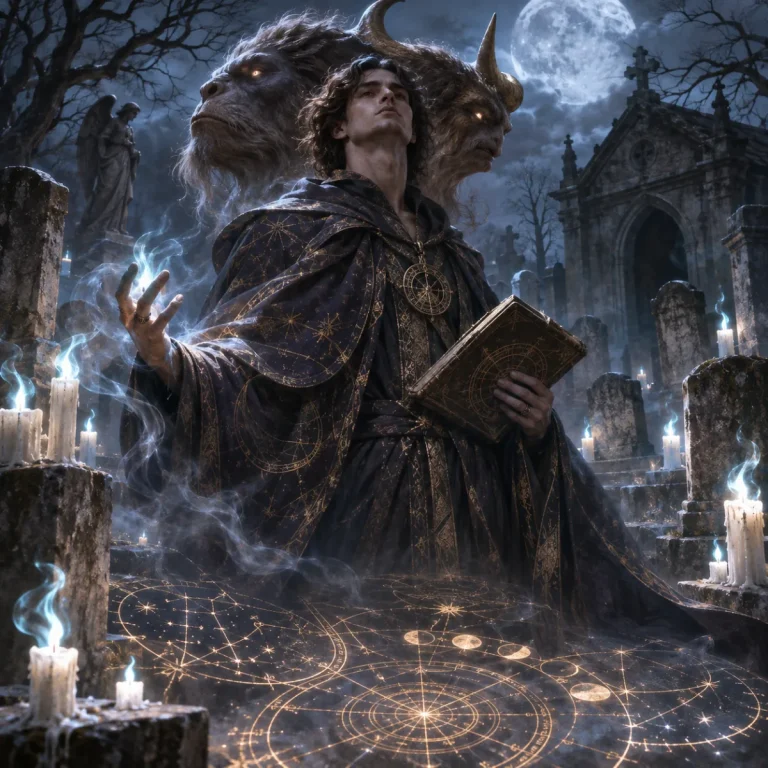 No. 46BifronsEarl who appears as a monster, teaches astrology and herbs, and moves the dead and lights candles on their graves
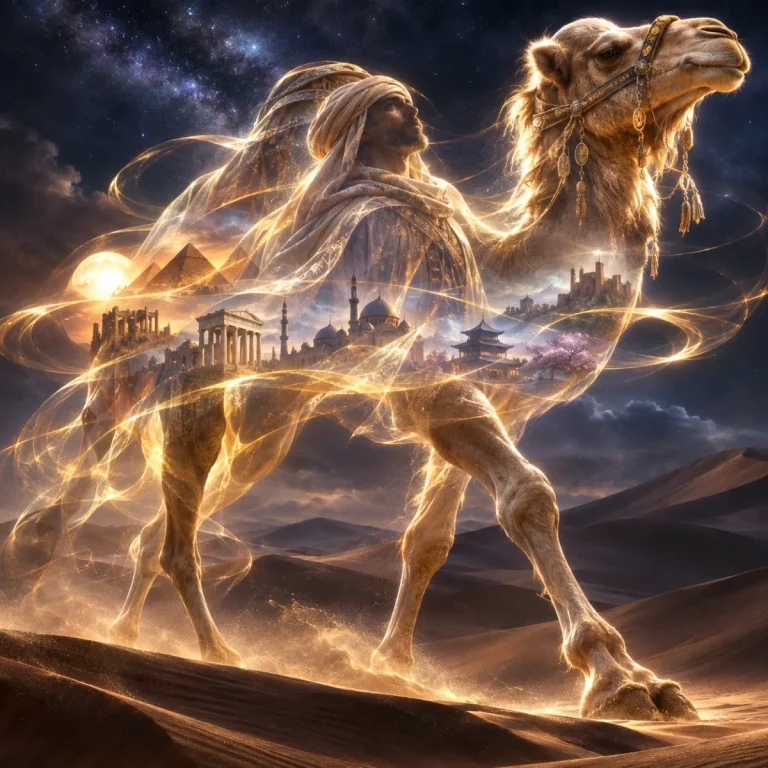 No. 47UvallDuke who appears as a dromedary, speaks Egyptian in human form and procures love and friendship between friends and foes
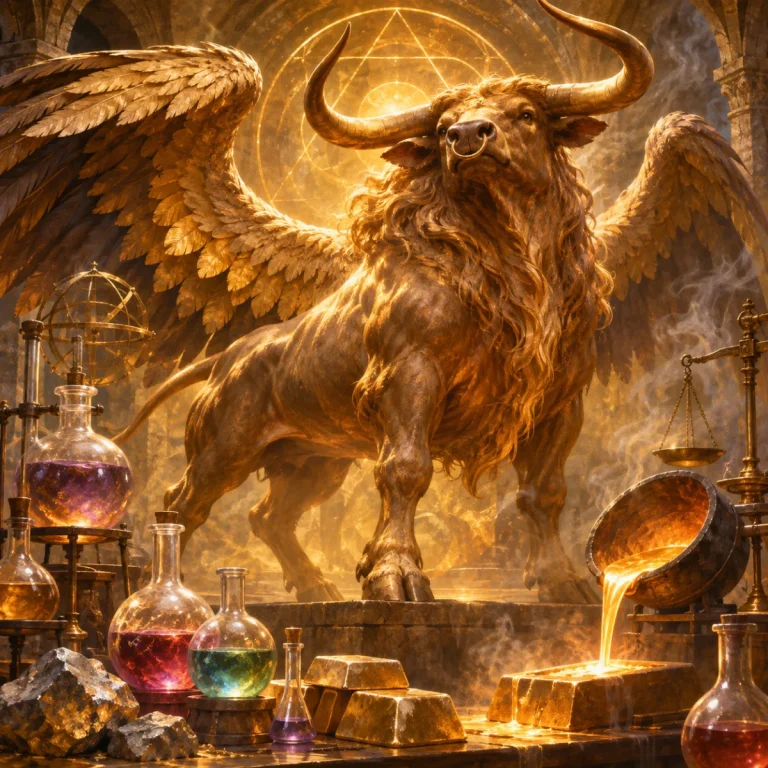 No. 48HaagentiPresident in the form of a bull with griffin’s wings who makes men wise and turns all metals into gold
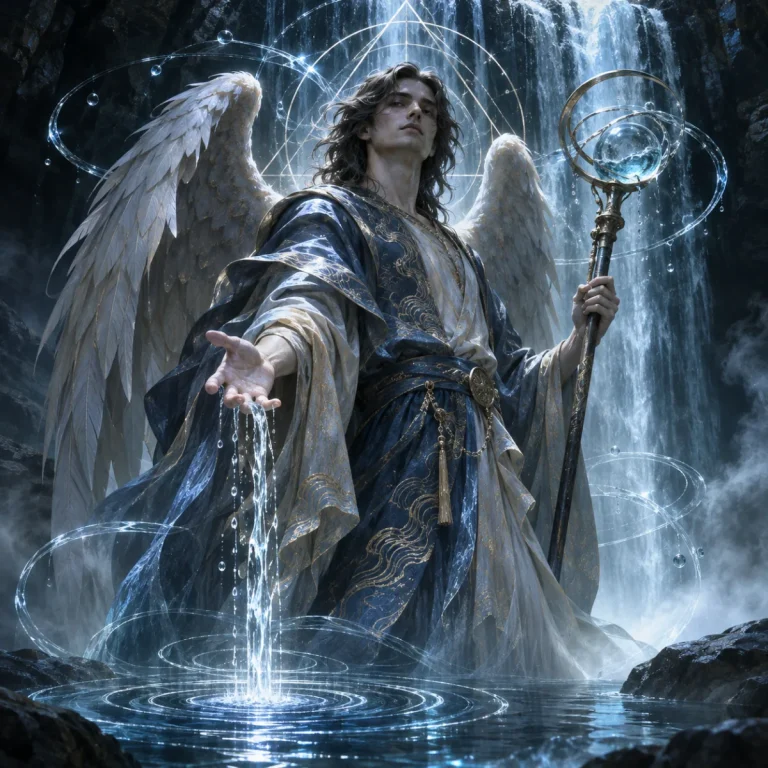 No. 49CrocellDuke in angel form who teaches geometry, makes the sound of nonexistent waters and distempers baths
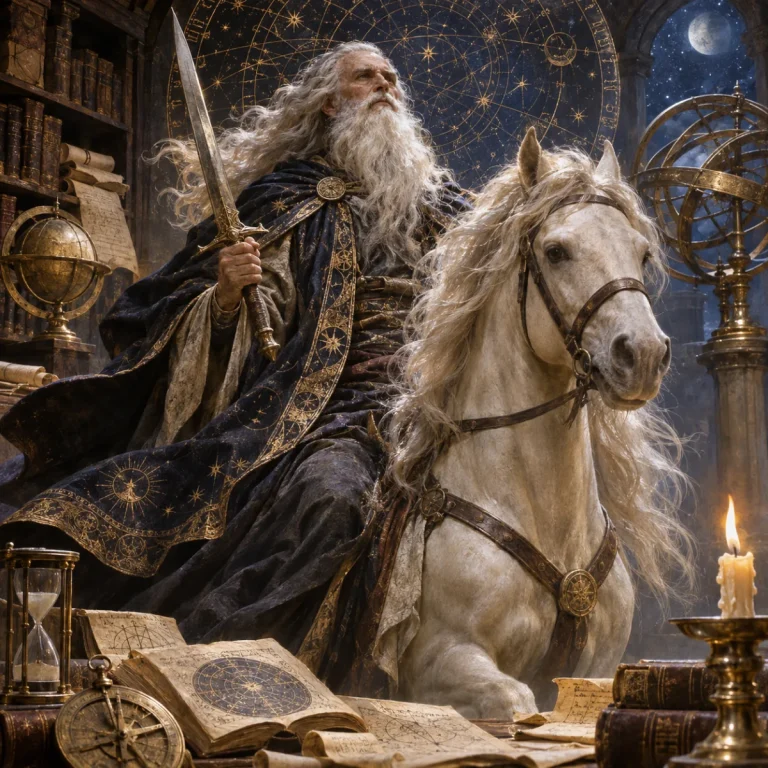 No. 50FurcasThe catalog’s only Knight: a cruel old man with a long beard on a pale horse who teaches philosophy and palmistry
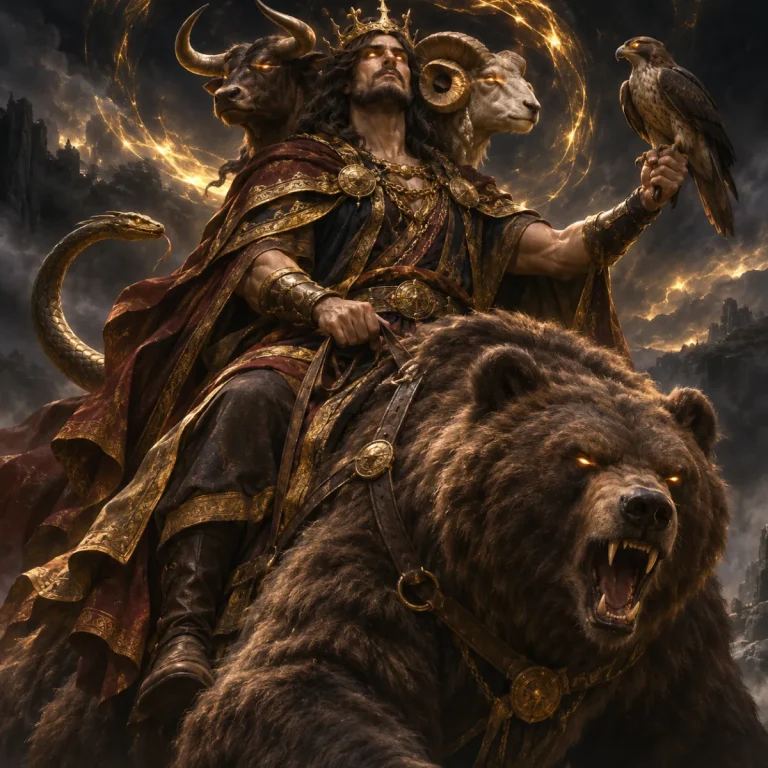 No. 51BalamTerrible three-headed king (bull, man, ram) who rides a bear, carries a goshawk and makes men invisible
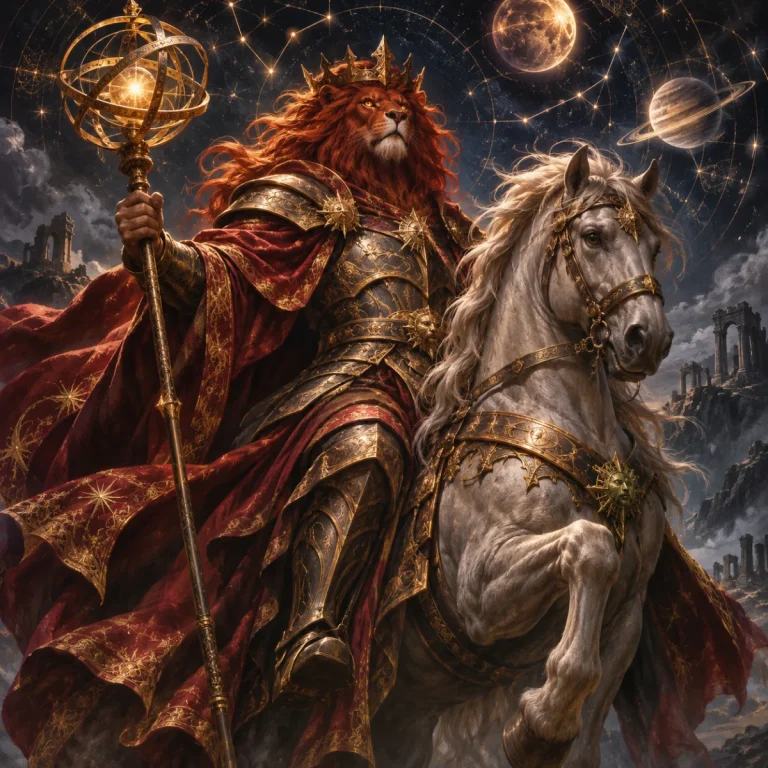 No. 52AllocesDuke in the form of a mounted soldier with a red lion’s face and flaming eyes who teaches astronomy
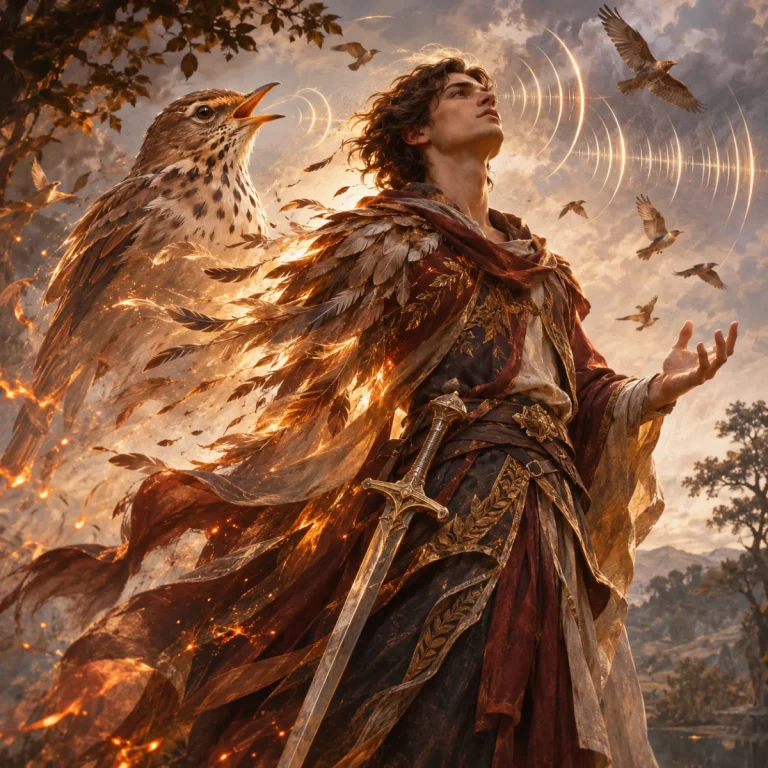 No. 53CamioPresident who appears as a thrush, then a man with a sword; grants understanding of birds, dogs, cattle and waters
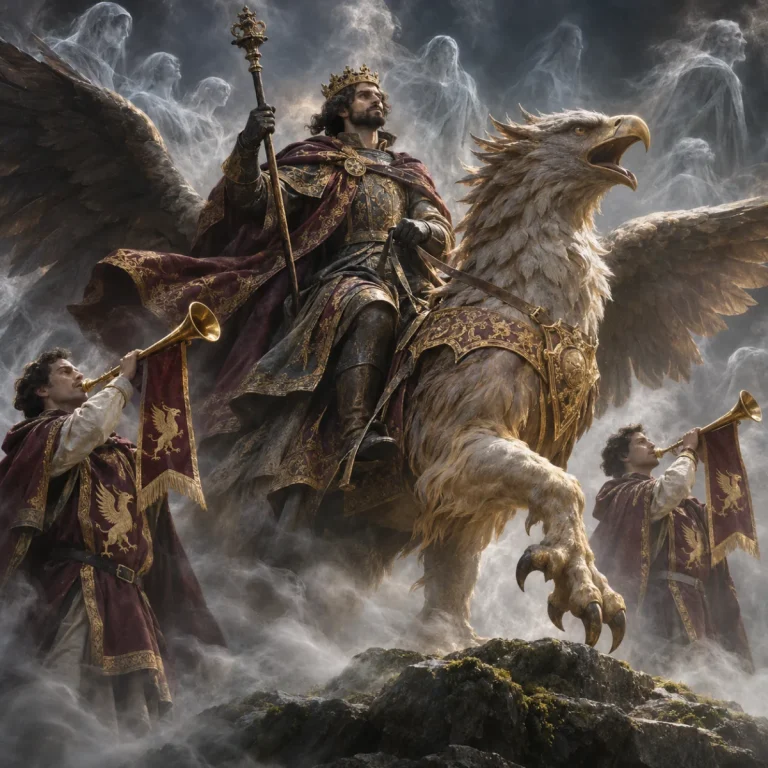 No. 54MurmurDuke and Earl as a crowned soldier on a griffin, heralded by trumpets; teaches philosophy and summons souls
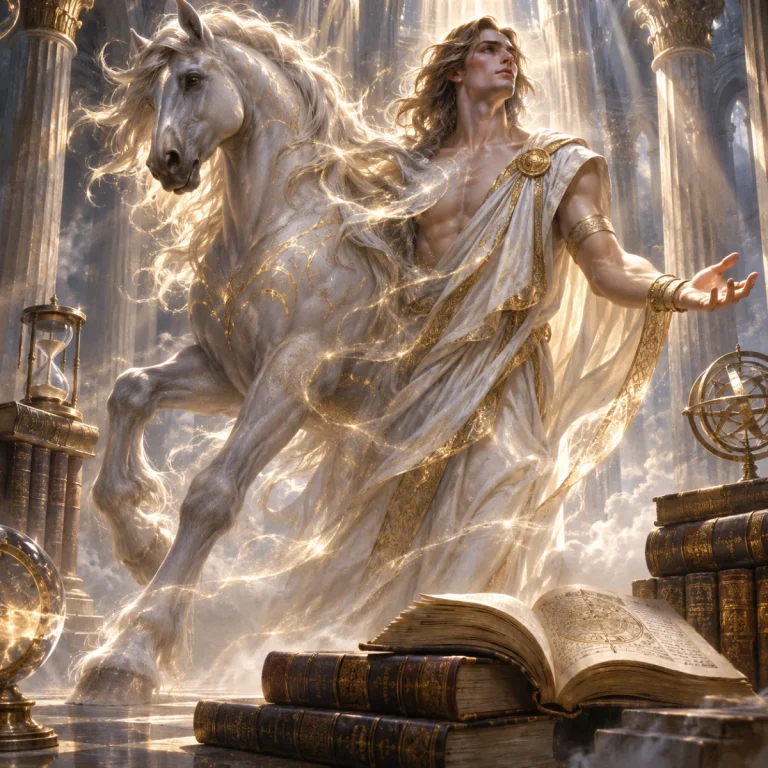 No. 55OrobasPrince in the form of a horse who answers on divinity and creation and stays faithful to the one who calls him
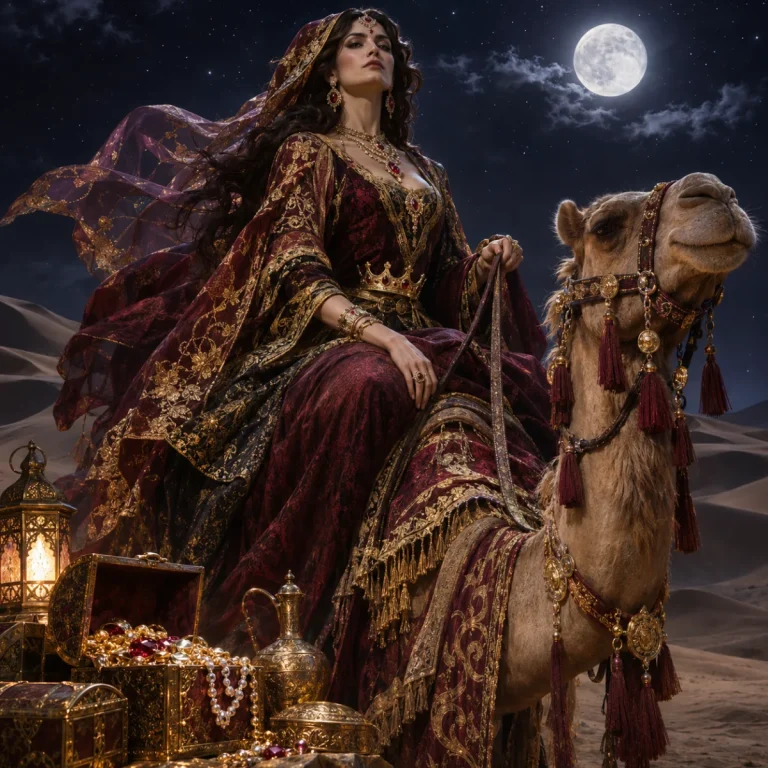 No. 56GremoryDuke who appears as a beautiful woman with a duchess’s crown at her waist, riding a camel; reveals hidden treasure
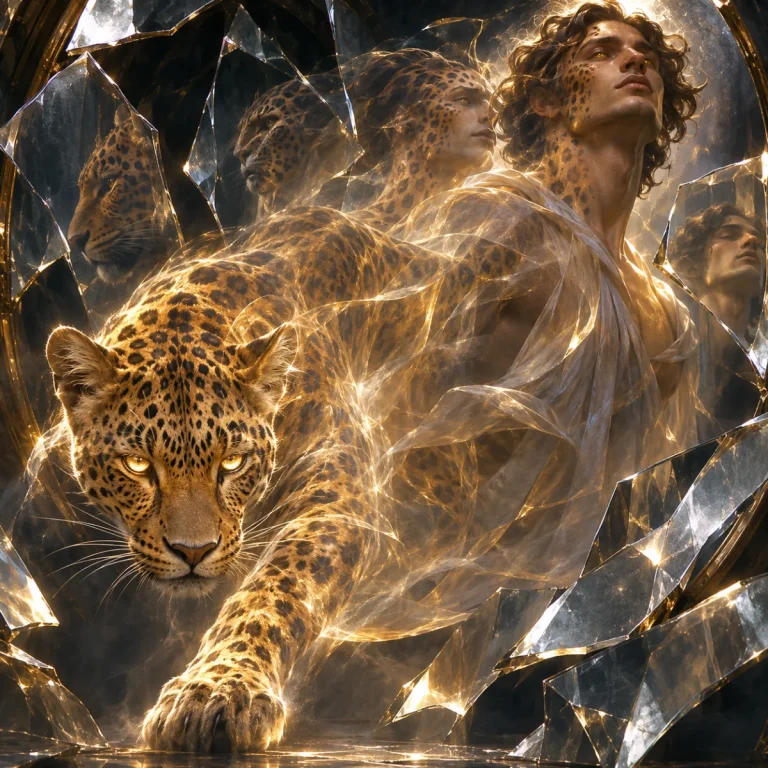 No. 57OsePresident in leopard form who teaches the liberal sciences and makes a man believe he is another creature
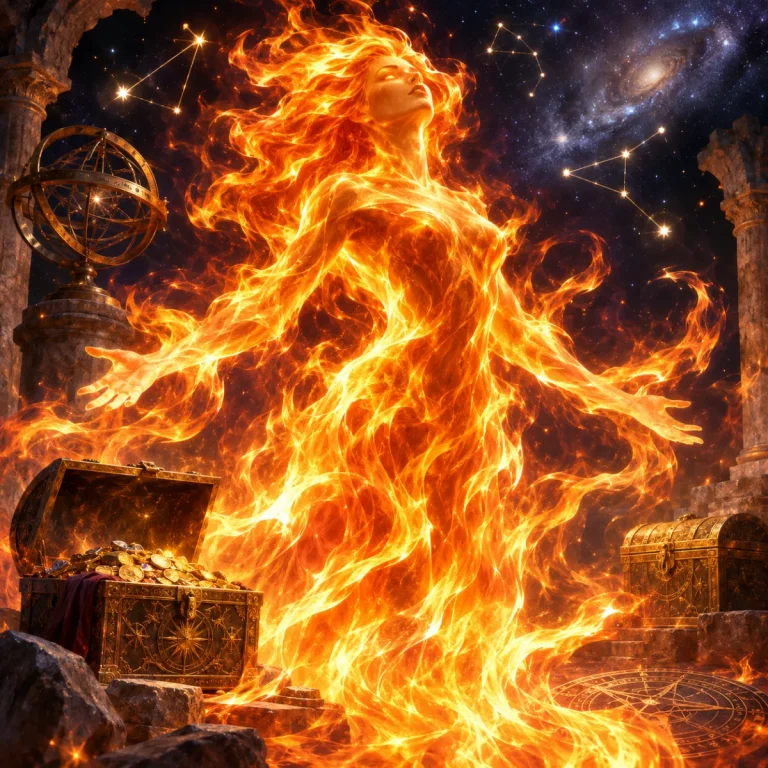 No. 58AmyPresident who appears as a flame, then as a man; teaches astrology and reveals treasures guarded by spirits
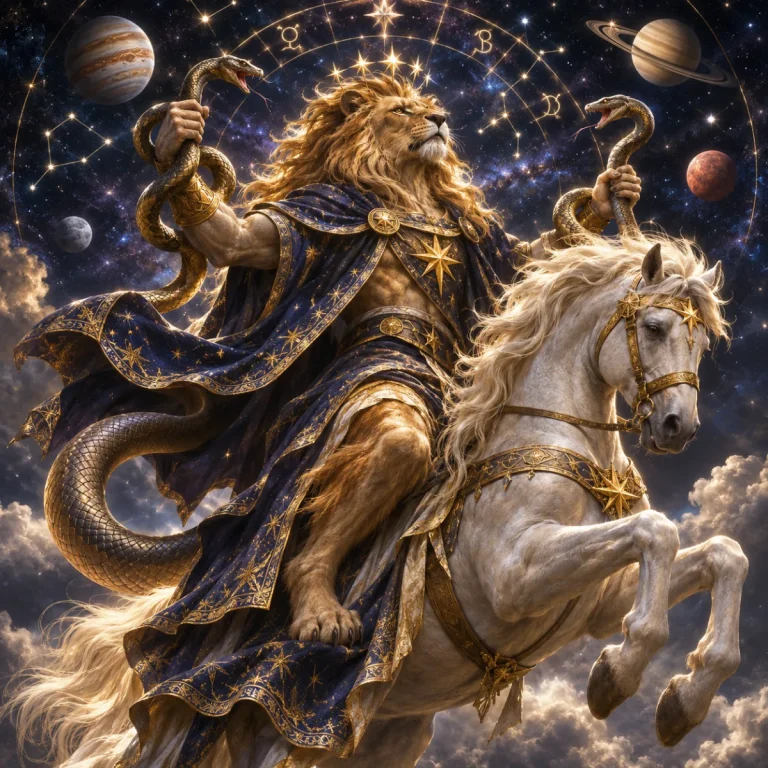 No. 59OriasMarquis in the form of a lion on horseback, with two serpents in his right hand, who teaches the virtues of the stars
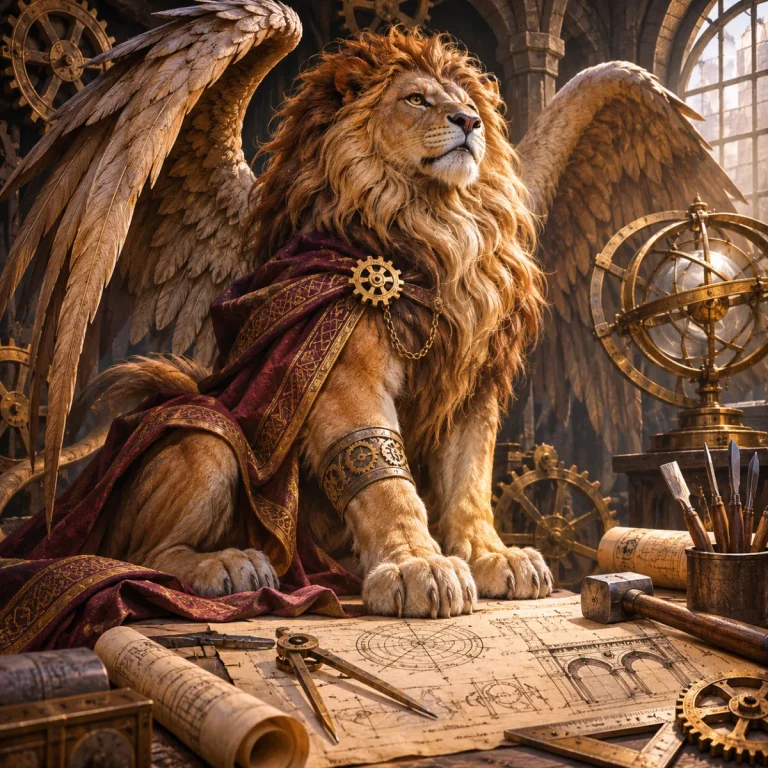 No. 60VapulaDuke in the form of a lion with griffin’s wings who makes people skilled in crafts, philosophy and the sciences
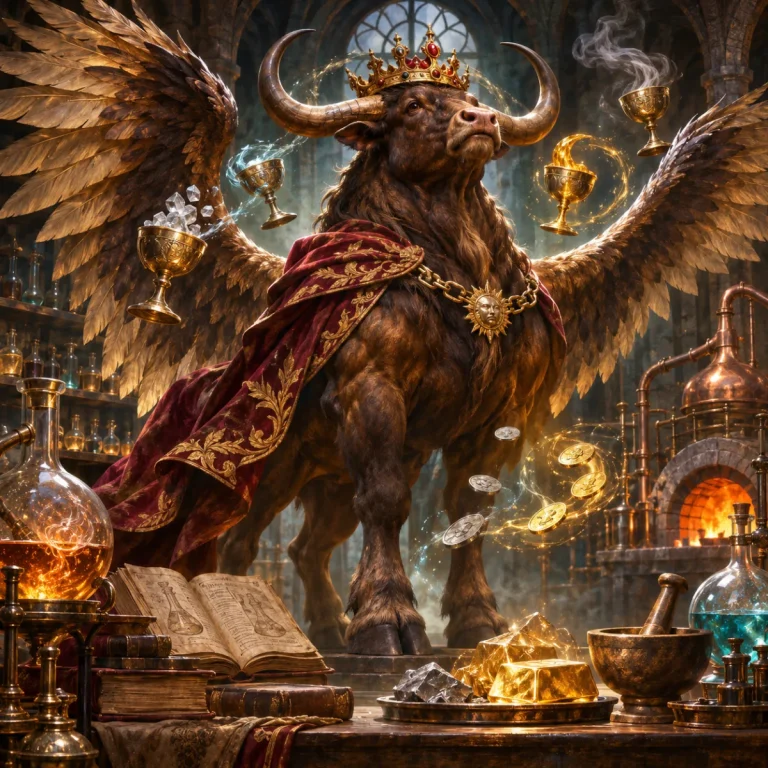 No. 61ZaganKing and President, a bull with griffin’s wings who turns water into wine, metals into coin and fools into wise men
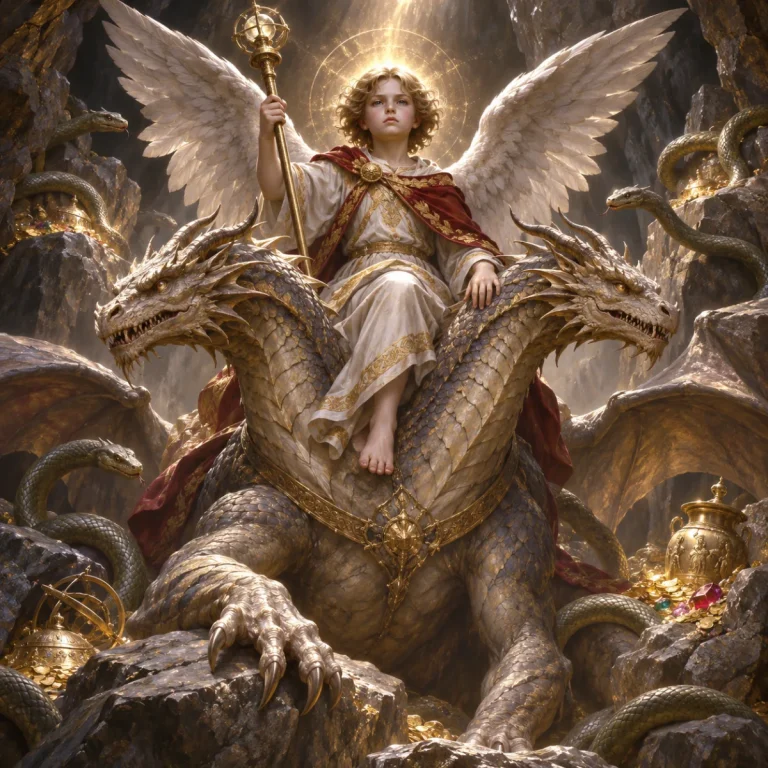 No. 62ValacPresident who appears as a winged boy on a two-headed dragon and tells of hidden treasures and serpents
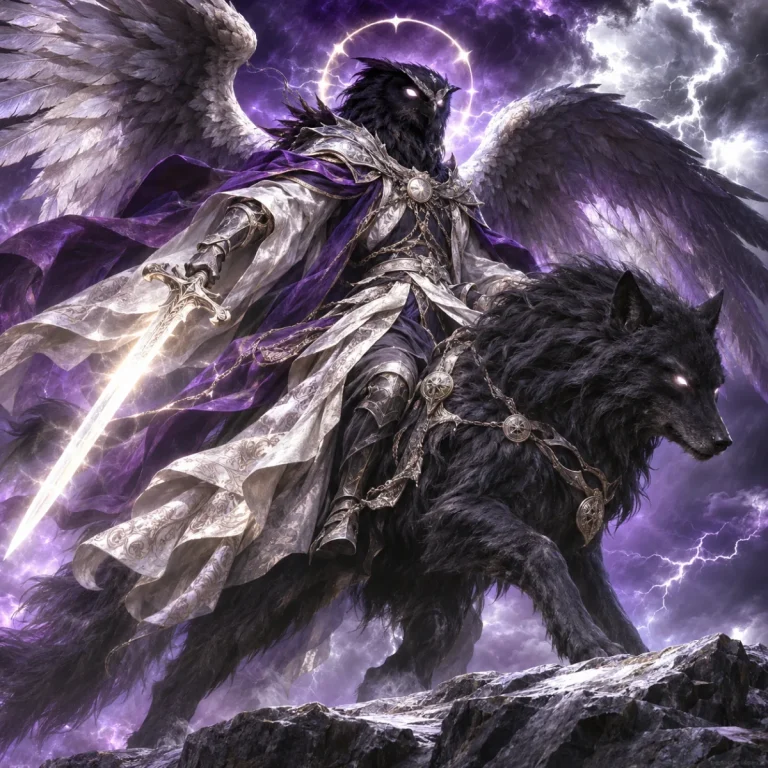 No. 63AndrasMarquis with an angel’s body and a night raven’s head, riding a black wolf, whose office is to sow discord
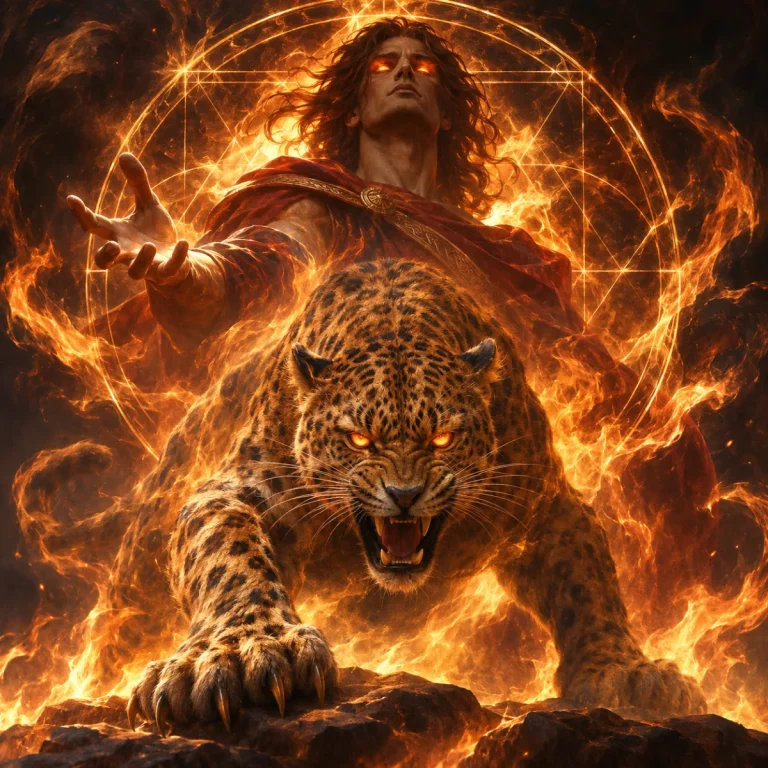 No. 64HauresDuke who appears as a terrible leopard, answers of past, present and future, and lies unless commanded into a triangle
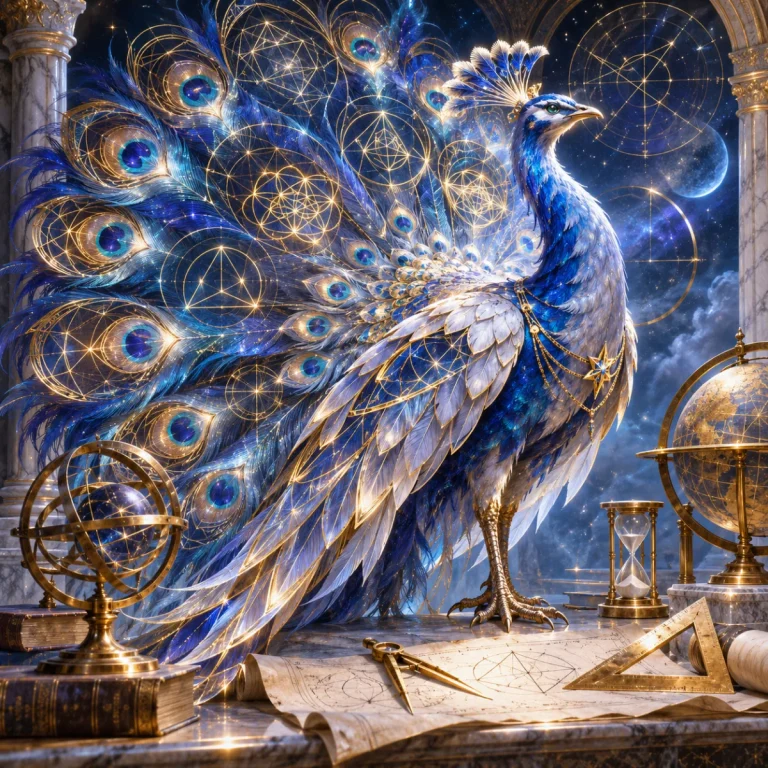 No. 65AndrealphusMarquis who appears as a peacock amid great noises and teaches geometry, measurement and astronomy
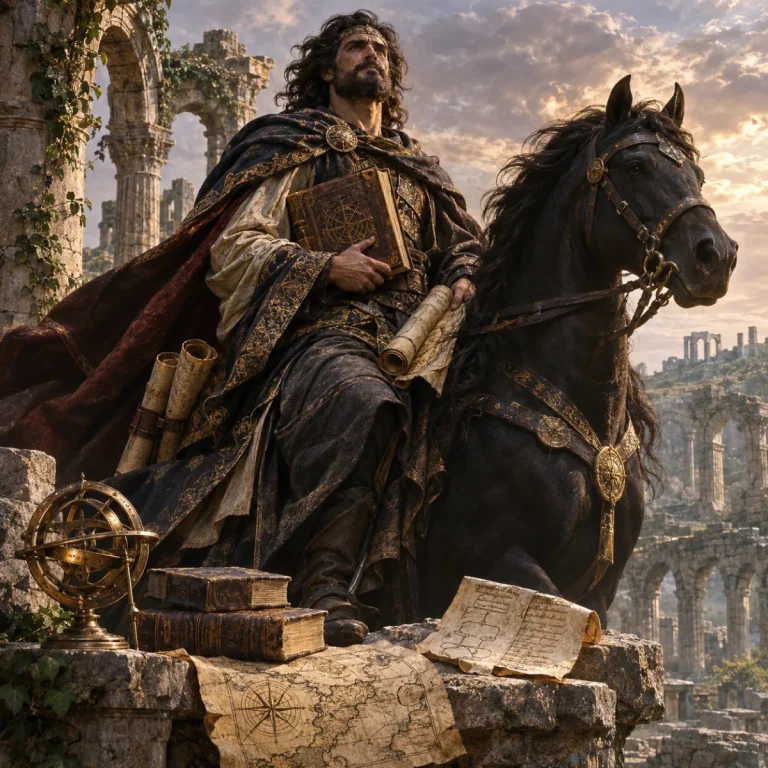 No. 66CimejesMarquis who appears as a valiant soldier on a black horse, rules the spirits of Africa and teaches grammar and logic
 No. 67AmdusiasDuke who appears as a unicorn, makes musical instruments heard but not seen, and makes trees bend
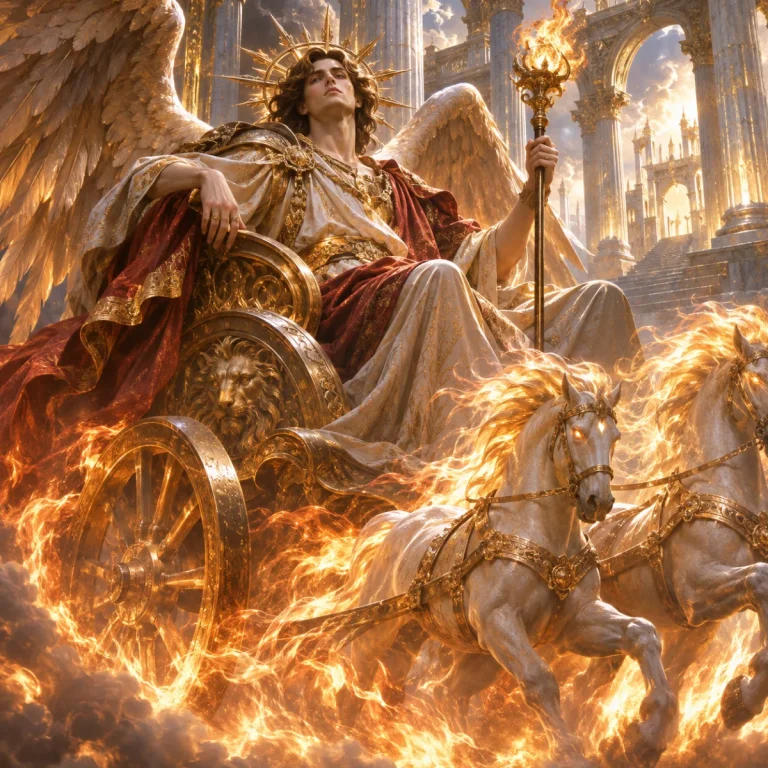 No. 68BelialKing who appears as a beautiful angel in a chariot of fire, created next after Lucifer, and demands offerings
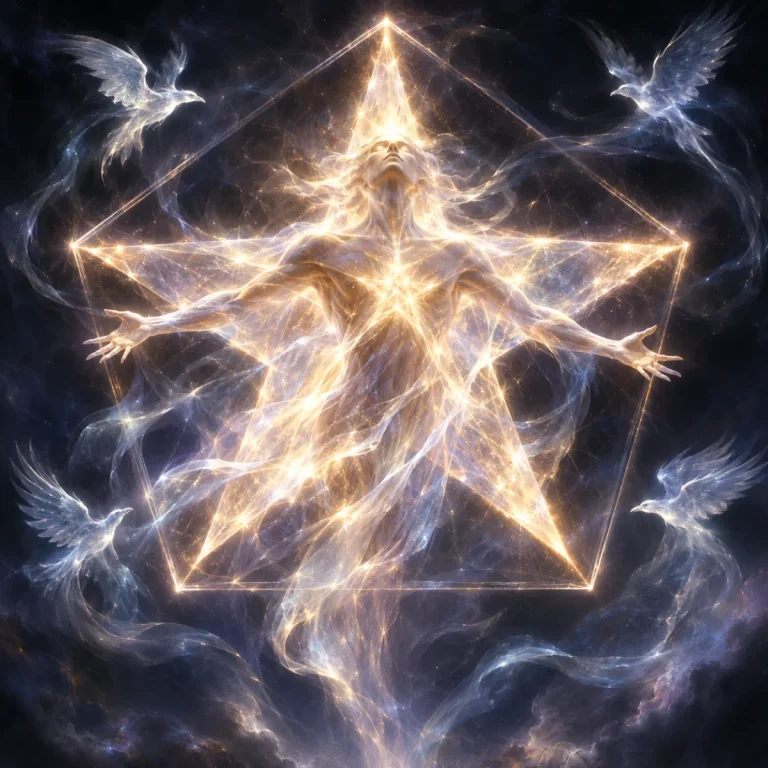 No. 69DecarabiaMarquis who appears as a star in the pentacle, knows herbs and precious stones, and makes birds fly before the exorcist
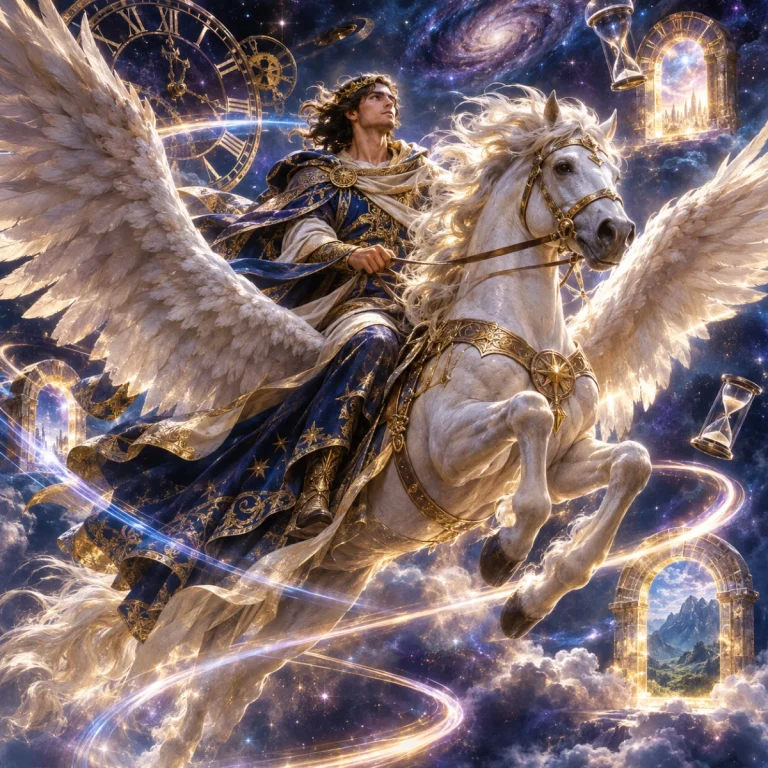 No. 70SeerePrince under Amaymon, a beautiful man on a winged horse who can cross the whole world in the twinkling of an eye
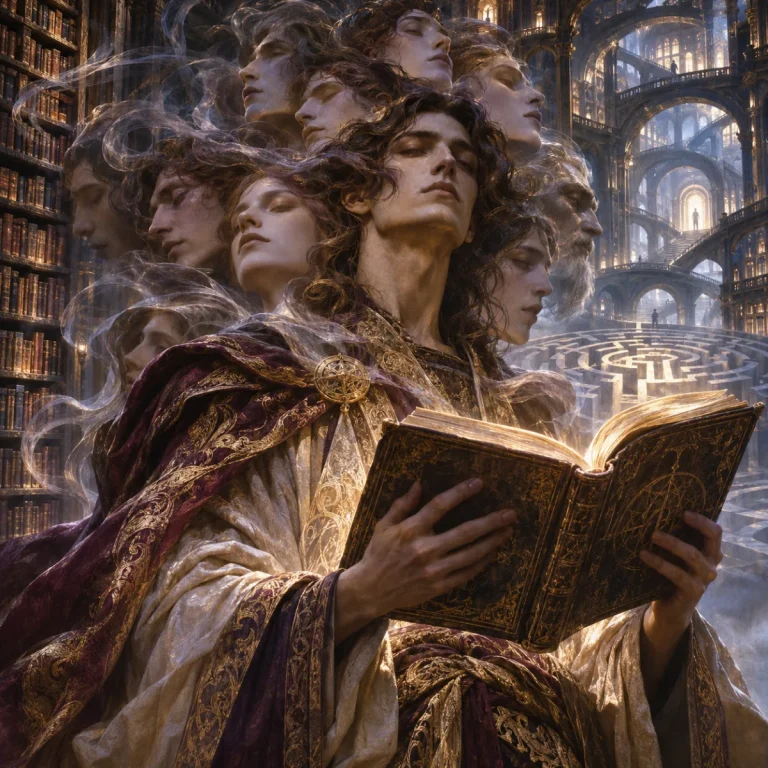 No. 71DantalionDuke with many faces of men and women and a book in his right hand who knows and changes people’s thoughts
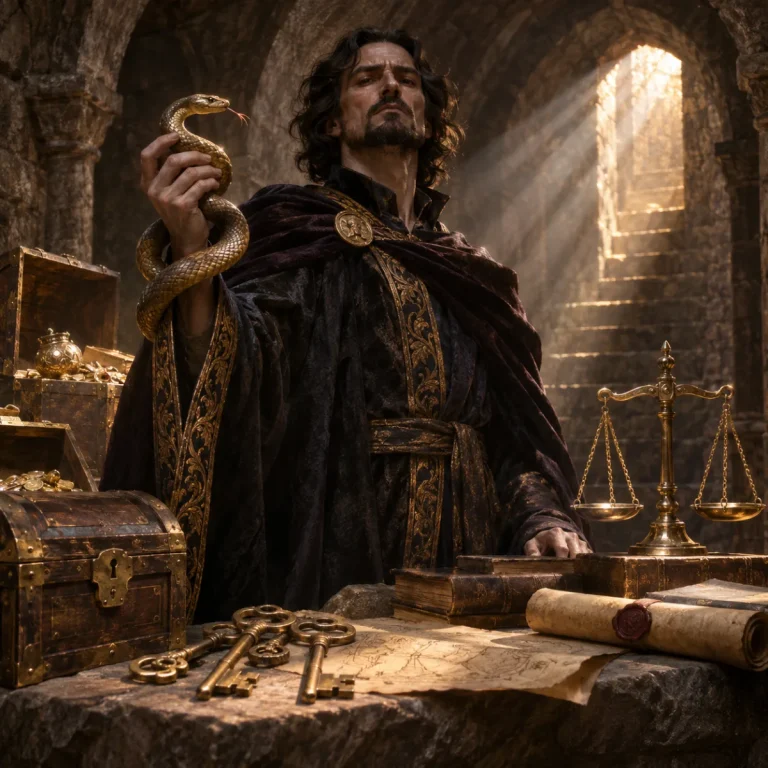 No. 72AndromaliusEarl who appears as a man holding a serpent and brings back thieves, stolen goods and hidden treasure
An old book, seventy-two names and a riddle that runs through centuries of history. The Ars Goetia holds a special place among European grimoires: it is a catalog of spirits, complete with descriptions, hierarchies and seals, that has fascinated readers of esoteric texts and historians of magic alike.
But where does it really come from? Did King Solomon write it? And why exactly seventy-two spirits? To answer, it helps to separate three layers: what the legends tell, what the manuscripts preserve and what modern interpretations have added.
The Ars Goetia is the first section of the Lemegeton Clavicula Salomonis, known in English as The Lesser Key of Solomon. It presents a list of 72 spirits, each with a proper name, a title borrowed from the ranks of a royal court (kings, dukes, marquises, earls, presidents and princes), a distinctive appearance and the powers tradition attributes to it.
Some take animal forms; others appear as human figures, angels, soldiers or hybrid creatures. Bael can show himself as a cat, a toad or a man; Paimon is described as a king who arrives with a musical procession; Stolas is associated with knowledge of the stars and of plants. They are not interchangeable characters: each entry preserves details that let us study how these beings were imagined.
Tradition credits Solomon with extraordinary power over spirits. That association gives the book its legendary authority, but it does not show that the biblical king wrote it. The compilation of the Lemegeton we know belongs to early modern Europe, and its surviving manuscripts are far later than biblical times.
Presenting the Ars Goetia as a book Solomon wrote himself confuses a literary attribution with a historical conclusion. Its real interest lies in the opposite direction: it shows how successive generations reused names, legends and writing techniques to build a tradition.
Before the Ars Goetia took its familiar shape, catalogs of spirits related to the Liber officiorum spirituum were already in circulation. A key witness is the Pseudomonarchia Daemonum, published by Johann Weyer in 1577, which lists 69 spirits. A few years later, Reginald Scot spread an English version of it in The Discoverie of Witchcraft (1584).
Joseph H. Peterson’s documentary edition points out that the Lemegeton catalog depends on this chain of transmission. It also notes that names, descriptions and other details changed as they passed from one work to the next. That is why it is wrong to speak of a fixed, unchanging list handed down from antiquity.
The number 72 belongs to the text of the Ars Goetia, but not to all of its forerunners: Weyer lists 69. Peterson observes that the expansion to 72 is probably connected with the numerological weight of that number and with traditions of angelic correspondences. It is a historical hypothesis about how the catalog was organized, not proof of supernatural powers.
Alongside the descriptions come graphic figures tied to each spirit, known as seals or sigils. They are part of the manuscript and ritual culture of the Lemegeton, and their strokes can vary from one copy to another. When they are reproduced in a digital edition, it matters to say which manuscript or edition they come from, rather than using modern designs without attribution.
The book can be studied from several angles: the history of religion, fantastic literature, the cultural history of magic, art and symbolism. Its descriptions record what was attributed to these beings within a textual tradition; they are not verifiable evidence that such powers exist.
In this Goetia encyclopedia we look at each of the 72 figures on its own: how the grimoire describes it, what powers it assigns, what variants appear in other sources and how its image changed over time. The goal is to keep the mystery of the story without giving up historical accuracy.
The grimoire arranges its spirits like a noble court. According to Peterson’s transcription, the catalog includes 9 kings, 7 princes, 23 dukes, 15 marquises, 11 earls, 14 presidents and one knight. Eight of them hold two titles at once, so the total exceeds 72. Besides its rank, each entry states how many legions of spirits the figure commands: another way of expressing its place in this imagined hierarchy, not a verifiable fact.
The collection follows the order of the traditional catalog, from Bael, the first king, to Andromalius, the last spirit. Above you’ll find the complete catalog, which you can filter by rank. Each entry offers a self-contained reading and links to the sources that let you examine its background.